

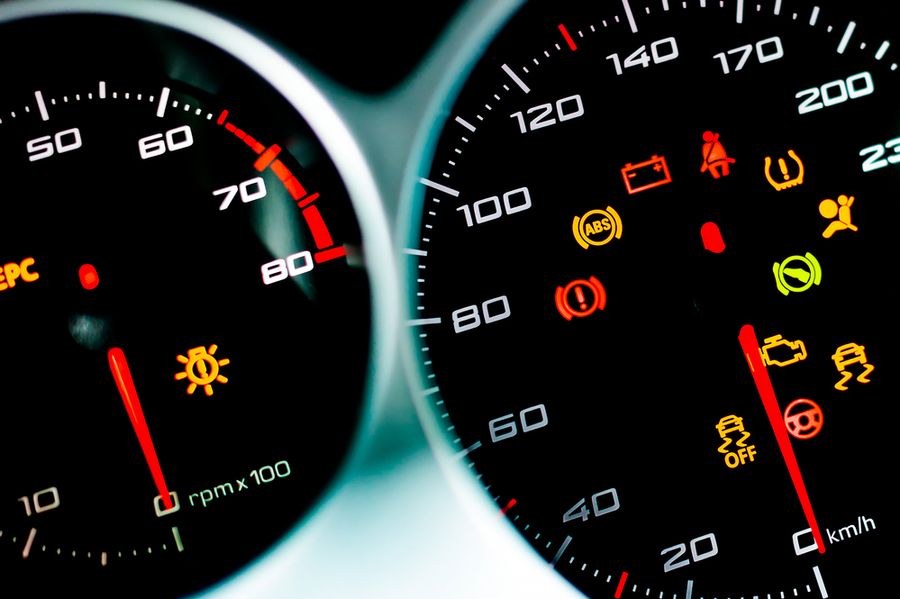
A dashboard warning light has a special way of appearing at the worst possible moment—usually when you’re running late, stuck in traffic, or far from home. Some lights are minor reminders, while others are your car’s way of saying, “Stop driving me immediately.” The tricky part is that many symbols look similar, and the car rarely explains what’s truly urgent. Understanding the most common warning lights can help you stay calm, avoid expensive damage, and make smarter decisions.
Check Engine Light: The Most Misunderstood Warning
The check engine light is famous for causing instant panic, mostly because it can mean almost anything. Sometimes it’s minor, like a loose gas cap or a sensor acting up. Other times, it signals a more serious problem like an engine misfire, emissions issue, or fuel system trouble. If the light is steady, it usually means the car is safe to drive short distances, but it should be checked soon. If it’s flashing, that’s a bigger deal.
A flashing check engine light often indicates an active misfire, which can damage the catalytic converter quickly. In that case, reducing speed and getting the vehicle serviced immediately is the safer move. Even if the car feels fine, don’t ignore the light for weeks. Modern vehicles store diagnostic codes that a mechanic or auto parts store can scan to narrow down what’s going on.
Tire Pressure Light: Not Always a Flat Tire
The tire pressure warning light usually looks like a horseshoe with an exclamation point inside. It doesn’t always mean you have a puncture, but it does mean at least one tire is below the recommended pressure. Temperature changes can also trigger it, especially in colder weather, because air contracts and pressure drops. A slow leak from a nail or a worn valve stem is another common cause.
Driving with low tire pressure can reduce fuel economy, wear out tires faster, and increase the risk of a blowout. If the light comes on, check your tire pressures as soon as possible using a gauge—don’t rely on how the tire looks. Inflate to the PSI listed on the driver’s door jamb, not the number printed on the tire. If the light returns repeatedly, it’s a strong sign there’s a leak that needs repair.
Oil Pressure or Oil Level Light: A “Don’t Wait” Signal
The oil warning light is one you never want to shrug off. Depending on your car, it may indicate low oil pressure or low oil level, and the difference matters. Low oil level means the engine may not have enough lubrication. Low oil pressure is often more serious because it can mean oil isn’t circulating properly, which can cause rapid engine damage. The symbol is usually an oil can dripping.
If the oil light comes on while driving, pull over safely as soon as you can. Continuing to drive can ruin the engine in minutes. Turn the engine off, check the oil level if you’re able, and add oil if it’s low. If the oil level is normal but the light remains on, don’t keep driving—this could be a failing oil pump or internal engine issue. Either way, treating this light as urgent can save thousands.
Coolant Temperature or Coolant Level Warning: Overheating Risk
Coolant-related lights typically show a thermometer icon or a wavy liquid symbol. This warning matters because overheating can cause severe engine damage, including warped cylinder heads and blown head gaskets. Sometimes the light comes on because the coolant level is low due to a slow leak. Other times it’s triggered by an overheating condition caused by a failing radiator fan, thermostat, water pump, or blocked radiator.
If your temperature warning light comes on, turn off the A/C and pull over when safe. Continuing to drive while overheating can destroy the engine. Let the car cool down before opening the hood, and never open the radiator cap while the engine is hot. If the coolant level is low, topping it off may help temporarily, but the underlying cause still needs attention. Overheating is one of the fastest ways to turn a minor issue into a major repair.
Battery Light: Not Just the Battery
The battery warning light usually appears as a simple battery icon. Many drivers assume it means the battery is dying, but it often points to the charging system as a whole. The real issue may be a failing alternator, a loose serpentine belt, corroded battery terminals, or an electrical fault. When this light comes on while driving, it means the car may be running on battery power alone, which won’t last long.
If the battery light appears, avoid turning on unnecessary electronics like heated seats, high-beam headlights, or the stereo. If the alternator isn’t charging, the car can stall once the battery drains. In some vehicles, the power steering may also become heavy or fail, depending on whether it’s electric. The safest move is to head to a repair shop immediately or get the vehicle checked before it leaves you stranded.
Traction Control and Stability Control: What It’s Telling You
Traction control and stability control lights often look like a car with squiggly skid marks underneath. If the light flashes briefly while driving, it usually means the system is actively helping you maintain grip—such as when accelerating on wet pavement or turning on a slick road. That’s normal and actually a good sign. If the light stays on continuously, it often means the system is turned off or has a malfunction.
A steady traction or stability control light doesn’t always mean your car is unsafe, but it does mean you may not have electronic assistance in slippery conditions. Sometimes the system disables itself due to a sensor issue, like a faulty wheel speed sensor. It can also come on if the check engine light is active, since some vehicles reduce system functions when engine problems are detected. If you see both lights together, it’s worth getting scanned and diagnosed.
What to Do When a Warning Light Pops On
Dashboard lights aren’t all created equal, and the smartest drivers aren’t the ones who know every symbol—they’re the ones who respond appropriately. Some lights are warnings that something needs attention soon, like tire pressure or a steady check engine light. Others are urgent “stop now” signals, such as oil pressure or engine temperature. The color helps too: red usually means immediate action, while yellow or orange often means caution and follow-up.
The best habit is to keep your owner’s manual handy (even digitally) and avoid guessing. If the car feels different—loss of power, shaking, overheating smell, smoke, or loud noises—treat the light as serious. A quick scan at an auto parts store or a mechanic can often clarify what’s happening. Warning lights aren’t meant to ruin your day, but ignoring them definitely can.