

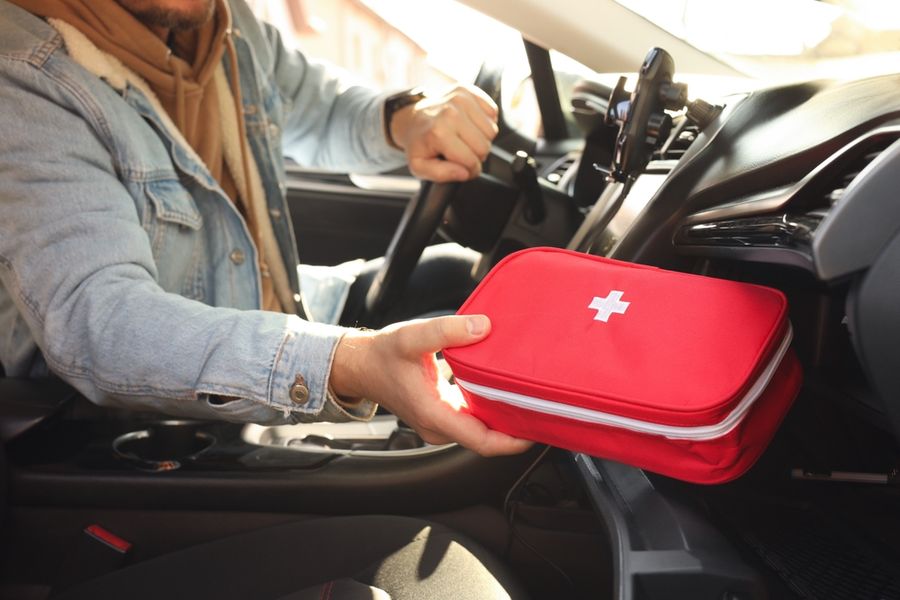
Most people don’t think about an emergency car kit until they’re stuck on the shoulder with a flat tire, a dead phone, and a sudden appreciation for indoor plumbing. The best kits aren’t packed for dramatic movie-style disasters—they’re built for everyday problems that happen to normal drivers: dead batteries, surprise weather, minor injuries, getting lost, or waiting for help longer than expected. A few smart items in your trunk can turn a stressful situation into an inconvenience you can handle.
The Safety Basics That Help You Get Seen (And Stay Safe)
The first priority in any roadside situation is visibility. If your car breaks down in a busy area, on a dark road, or during bad weather, you need other drivers to see you fast. A reflective safety vest takes up almost no space and can make a huge difference if you have to step outside your vehicle. Road flares are useful, but LED flares or reflective triangles are safer and reusable, especially if you’re dealing with wind or dry grass.
A strong flashlight is another must-have. Choose one that’s bright, durable, and ideally rechargeable or battery-powered with spare batteries included. A headlamp is even better because it keeps your hands free while you check a tire or dig through your trunk. If you drive in areas with heavy traffic, adding a compact warning sign or magnetic flashing light can help drivers slow down and give you space.
Power and Phone Backup for When You’re Stranded
A dead car battery can ruin your day instantly, and it often happens at the worst time—after work, in cold weather, or when you’re already running late. A portable jump starter is one of the best emergency kit upgrades you can buy. It’s easier than jumper cables, doesn’t require another vehicle, and many models include USB ports for charging devices. If you only add one “modern” item to your kit, make it this.
Your phone is your lifeline in an emergency, but it’s useless if it’s dead. Keep a fully charged power bank in your kit and check it every few months. Add a charging cable that matches your phone, plus a car charger that stays in the glove compartment. If you travel through remote areas, consider keeping a paper map in the car too. Losing service isn’t rare in mountains, deserts, or rural highways, and it’s better to have a backup plan than to rely on your signal.
Tire Trouble Tools: Flat Fixes That Actually Help
Tire issues are among the most common reasons people get stuck. Even if you don’t plan to change a tire yourself, having the right supplies makes it easier if someone else is helping—or if you need to stay safe while waiting. Start with a tire pressure gauge and a portable air compressor that plugs into your car’s 12V outlet. A low tire can often be inflated enough to get you safely to a shop.
If your vehicle has a spare tire, make sure the jack and lug wrench are in place and that you know where they are. It’s surprisingly common for drivers to discover their tools are missing when they need them most. A small piece of wood can help stabilize a jack on soft ground. Add a pair of work gloves so you don’t destroy your hands, and keep a rain poncho or trash bag in case you’re changing a tire in wet weather.
First Aid, Hygiene, and “Small Problems” That Become Big Ones
A compact first aid kit is essential, even if you never use it. Look for one that includes bandages, gauze, antiseptic wipes, tweezers, medical tape, and pain relievers. If you have allergies, include antihistamines and keep an epinephrine auto-injector if prescribed. Minor cuts and scrapes happen easily when dealing with broken glass, sharp metal, or roadside debris.
Hygiene items are surprisingly valuable during long waits. Pack hand sanitizer, wet wipes, tissues, and a few disposable gloves. A small roll of paper towels can help with spills, cleaning your hands, or wiping foggy windows. If you drive with kids, pets, or long commutes, include a couple of sealable plastic bags for trash or messes.
Food, Water, and Warmth for Long Waits
Even in a non-emergency, getting stranded can mean waiting longer than expected. A simple breakdown can turn into hours if it happens during a storm, holiday travel, or in an area with limited roadside service. Keep a few bottles of water in your car, but rotate them so they don’t sit for years. If you live in freezing climates, consider water pouches designed to handle temperature changes.
For food, focus on shelf-stable snacks like protein bars, trail mix, crackers, or nut butter packets. Avoid items that melt easily. Warmth matters too. A compact blanket, a spare hoodie, and a pair of warm socks can make a huge difference if you’re stuck overnight or in cold weather. Emergency foil blankets are small and cheap, but a real fleece blanket is far more comfortable. In hot climates, add electrolyte packets and sunscreen for unexpected exposure.
The Practical Extras People Wish They Had (But Usually Don’t)
Some of the most useful emergency items aren’t flashy—they’re just the things that solve annoying problems fast. A multi-tool can help with quick fixes, opening packages, or cutting a seatbelt in a true emergency. Duct tape is a classic for temporary repairs, from loose trim to cracked hoses in a pinch. Zip ties are another lightweight hero, especially for securing dangling parts until you reach a mechanic.
A small fire extinguisher rated for automotive use is worth considering. Car fires are rare, but they can happen, especially with older vehicles or electrical issues. Keep a notepad and pen for exchanging information after an accident, and store a printed card with emergency contacts in case your phone is inaccessible. A spare pair of sunglasses can help if yours break, and a small towel can double as a cushion, cleaning cloth, or padding.
Build a Kit You’ll Actually Keep Up With
The best emergency car kit is the one you can realistically maintain. You don’t need to spend a fortune or pack your trunk like you’re prepping for the apocalypse. Start with the essentials: visibility gear, power backup, tire tools, first aid, and water. Then build from there based on your climate and driving habits. A commuter in a warm city needs different supplies than someone who drives mountain roads in winter.
Once your kit is assembled, set a reminder to check it a few times a year. Replace expired first aid items, rotate snacks and water, recharge your power bank, and make sure your flashlight still works. Emergencies are stressful enough without discovering your gear is missing, dead, or outdated. A well-stocked kit doesn’t just prepare you for the worst—it gives you peace of mind every time you turn the key.