

A dying car battery rarely fails without warning—it usually sends little signals for days or even weeks first. The problem is that most drivers don’t recognize them until the car won’t start in a parking lot, during a storm, or right before an important appointment. Learning the early signs of battery trouble can save you time, money, and a lot of stress. With a few simple checks and smarter habits, you can catch a weak battery early and replace it on your terms.
Slow Starts That Feel “Off” (Even If the Car Still Turns On)
One of the most common early signs of a dying battery is a slow engine crank. You turn the key or press the start button, and the car hesitates for a second before it finally starts. It may still start every time, but it sounds weaker than normal—almost like it’s struggling to wake up. Many people brush this off as “cold weather” or “just an older car,” but it’s often the first clue the battery is losing capacity.
Pay attention to patterns. If the slow start happens consistently, especially in the morning or after the car has been sitting for hours, it’s worth taking seriously. Batteries can weaken gradually, and the difference between “starts fine” and “won’t start at all” can happen fast. If your vehicle used to start instantly and now it doesn’t, your battery is telling you something.
Clicking Sounds, Flickering Lights, and Other Electrical Weirdness
When a battery can’t deliver enough power, the electrical system starts acting strangely. A rapid clicking sound when you try to start the car often means the starter isn’t getting enough juice. Sometimes it will click repeatedly and not crank at all. Other times, you’ll get one loud click and nothing else. Either way, it’s a sign you’re running on borrowed time.
You might also notice dim headlights, interior lights that look weaker than usual, or lights that flicker while you’re trying to start the car. Power windows may roll up more slowly. The radio might reset. The dashboard display could flash or go dark for a second. Those symptoms don’t always mean the battery is the only issue—alternator problems can also cause similar behavior—but they do mean the charging system needs attention soon.
Dashboard Warning Lights That People Misread
Dashboard warning lights cause a lot of confusion, especially the battery symbol. Many drivers assume a battery light means the battery itself is bad, but that light often points to a charging problem—meaning the alternator isn’t keeping the battery charged. If the alternator fails, your car may run for a short time and then die once the battery drains.
The Check Engine light can also come on due to electrical issues, including low voltage. Modern vehicles rely on stable battery power, and when the voltage drops, sensors can trigger warnings that look unrelated. If you see the battery light, the Check Engine light, or any unusual electrical alerts paired with slow starting or dim lights, don’t ignore it. Even if the car still drives, you could end up stranded with no warning.
Visible Clues Under the Hood: Corrosion, Leaks, and Swelling
You don’t have to be a mechanic to spot signs of battery trouble. Pop the hood and look at the battery terminals. If you see white, green, or bluish powdery buildup around the connections, that’s corrosion. Corrosion can interfere with power flow and make starting harder, even if the battery itself still has life left. Cleaning corrosion may help temporarily, but it’s also a sign the battery could be aging or leaking fumes.
A strong rotten-egg smell is another red flag. That sulfur smell can indicate the battery is overheating or overcharging, which can be dangerous and should be checked quickly. The most serious visual sign is swelling or bulging of the battery case. A swollen battery can be unsafe to touch or drive with. If the battery looks distorted, cracked, or bloated, it’s time to call for help rather than trying to “just make it home.”
Your Battery’s Age Matters More Than Most People Think
Even if your car seems fine, battery age alone can put you at higher risk for sudden failure. Most car batteries last around three to five years, depending on driving habits, climate, and maintenance. Extreme heat can shorten battery life, and so can repeated short trips where the battery never fully recharges. If your battery is approaching the three-year mark, it’s smart to start paying closer attention.
You can usually find the battery’s age on a sticker or stamped code on the case. If you don’t know how old it is and you bought the car used, it’s worth getting it tested. A battery can seem perfectly normal one day and fail the next, especially after a temperature swing. Replacing a battery before it dies may feel unnecessary, but it’s often cheaper and far less stressful than an emergency tow or missed workday.
The Jump-Start Trap: When “It Started” Doesn’t Mean “It’s Fine”
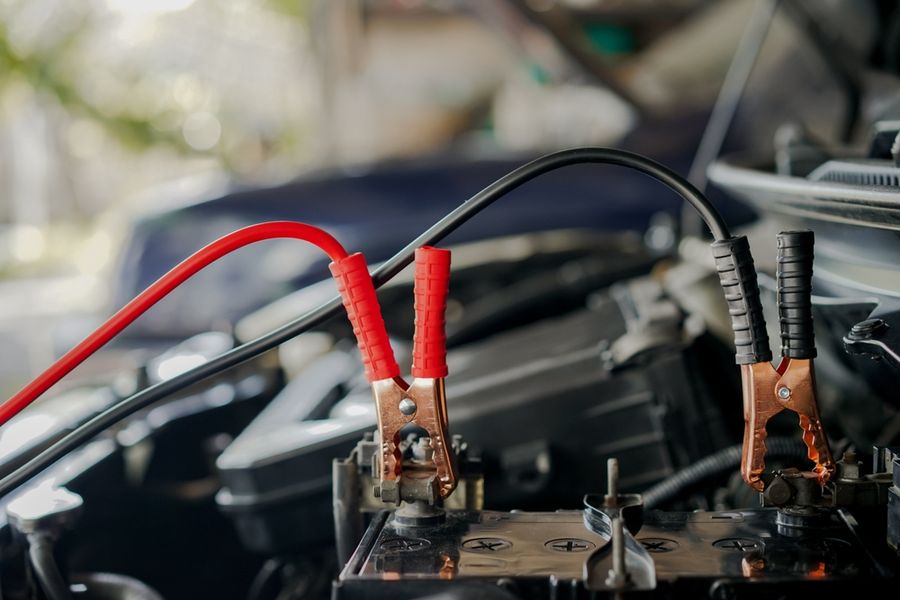
Needing a jump start once doesn’t automatically mean your battery is dead. Maybe you left a light on, didn’t close a door fully, or the car sat unused for too long. But if you’ve needed more than one jump start without an obvious reason, that’s a strong sign the battery is losing its ability to hold a charge.
A jump start can bring a weak battery back to life temporarily, but it doesn’t fix the underlying problem. In fact, repeated jump starts can mask the issue until you’re stranded in a worse situation. If your car starts fine right after a jump but struggles again the next day, the battery likely can’t store enough energy anymore. It’s also possible the alternator isn’t charging properly, which is why a professional battery and charging system test is so helpful.
Simple Ways to Test and Prevent Battery Failure
You don’t need special tools to be proactive, but a few simple steps can make a big difference. Many auto parts stores and service centers will test your battery for free. They can measure battery health, cold cranking amps, and charging system performance. That’s the easiest way to confirm whether the battery is weak or whether the alternator is the real culprit.
If you want to test at home, a basic multimeter can check battery voltage. With the engine off, a healthy battery typically reads around 12.6 volts. If it’s closer to 12.2 volts or lower, it may need charging or replacement. Prevention also comes down to habits: drive long enough to recharge the battery, avoid leaving accessories on, and keep terminals clean. If you don’t drive often, a battery maintainer can keep it healthy during long periods of sitting.
Staying Ahead of the Breakdown
A dying battery is one of the most avoidable car problems, but only if you notice the warning signs early. Slow starts, clicking noises, dim lights, and repeated jump starts aren’t random quirks—they’re clues. The good news is battery issues are usually quick and affordable to fix compared to many other repairs, especially when caught before you’re stuck somewhere inconvenient.
If your battery is older, your car is acting “electrically weird,” or you’ve already had one close call, treat it like a small problem that deserves attention. Replacing a battery before it fails is one of the easiest ways to keep your car reliable and your schedule intact. A few minutes of prevention can save you hours of frustration later, and your future self will be grateful when the car starts instantly every time.