

Tires are the only part of your car that touches the road, yet they’re often treated like an afterthought until something goes wrong. A little wear can quietly turn into longer stopping distances, poor handling in rain, or a blowout on the highway. The good news is tire care doesn’t require special skills or fancy equipment. With a few quick checks at home, you can catch problems early, improve safety, and avoid replacing tires before it’s truly necessary.
Tire Pressure: The Quick Check That Impacts Everything
Tire pressure affects almost every part of your driving experience, from braking and cornering to gas mileage and ride comfort. Underinflated tires flex more as they roll, which creates heat and wears down the outer edges faster. Overinflated tires can wear down the center tread and reduce traction, especially on wet roads. Either way, incorrect pressure makes your tires work harder than they should.
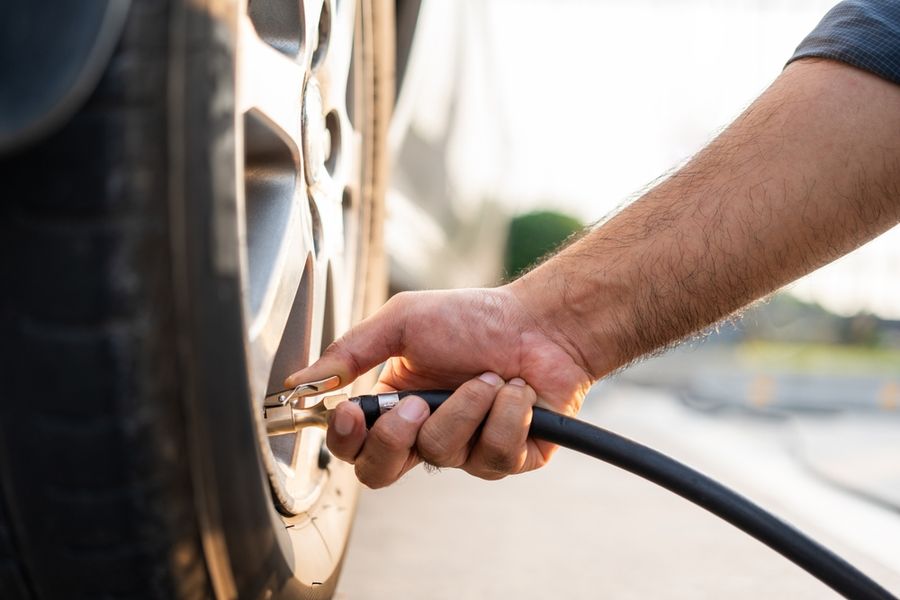
The easiest habit is checking pressure once a month and before long trips. Use a simple tire pressure gauge and check when tires are cold, meaning the car hasn’t been driven for at least a few hours. Don’t rely on the number printed on the tire sidewall—that’s the maximum, not the recommended amount. The correct PSI is usually listed inside the driver’s door jamb or in your owner’s manual.
Tread Depth: Simple Ways to Tell If You Still Have Grip
Tread depth matters most when roads are wet. Tires with shallow tread can’t move water away effectively, which increases the risk of hydroplaning. Even if the tire still “looks fine,” worn tread can make stopping distances longer, especially during sudden braking or heavy rain.
A quick at-home method is the penny test. Insert a penny into the tread with Lincoln’s head facing down. If you can see the top of his head, tread depth is getting too low, and it’s time to start planning for replacement. Many people also use the quarter test for a more conservative check. Tires also have built-in wear bars—small raised strips inside the grooves. If the tread is worn down to match the bars, the tire is legally worn out and should be replaced as soon as possible.
Tire Wear Patterns: What Your Tires Are Trying to Tell You
Not all tire wear is normal, and uneven wear is often a sign that something else needs attention. If the outer edges are worn more than the center, it can point to underinflation. If the center wears faster than the edges, overinflation may be the culprit. If one side of the tire is noticeably more worn than the other, your alignment could be off.
Cupping or scalloped dips in the tread can indicate suspension issues, worn shocks, or balance problems. Feathering, where the tread feels smooth in one direction and sharp in the other, often signals alignment trouble. The reason this matters is simple: replacing tires without fixing the cause just means the new set will wear out early, too. If you spot uneven wear, it’s worth getting the alignment, suspension, and tire balance checked before investing in replacements.
Tire Age: When Tires Need Replacing, Even If Tread Looks Fine
Many drivers don’t realize tires can “expire” even if they still have decent tread. Rubber breaks down over time due to heat, sunlight, and environmental exposure. As tires age, they become harder and less flexible, which reduces grip and increases the risk of cracking or failure. This is especially common on cars that aren’t driven often, like weekend vehicles or low-mileage commuters.
You can find the tire’s manufacturing date on the sidewall in the DOT code. The last four digits represent the week and year it was made. For example, “2422” means the tire was produced in the 24th week of 2022. Many experts recommend extra caution once tires hit about six years old, and replacement is often advised around ten years, even if the tread remains. Aging tires can look fine until they suddenly don’t.
Sidewall Damage, Bulges, and Punctures: When Replacement Is Non-Negotiable
Some tire problems aren’t “monitor and wait” situations. If you see a bulge on the sidewall, that usually means internal damage, and the tire can fail without warning. Sidewall cracks, deep cuts, or cords showing through the rubber are also serious. Sidewalls can’t be safely repaired the way tread punctures sometimes can.
Punctures in the tread area can often be repaired if they’re small and not too close to the sidewall. However, repeated repairs, long screws, or damage that caused the tire to run flat can make replacement the safer option. A tire that was driven on while severely underinflated may have hidden internal damage even if it holds air afterward. When in doubt, a professional inspection is worth it. Tires are one of the few car components where “good enough” can turn risky fast.
Rotation, Balancing, and Alignment: The Maintenance That Makes Tires Last
Tire rotation helps tires wear more evenly, since front tires often wear faster due to steering and braking forces. Many vehicles benefit from rotations every 5,000 to 7,500 miles, which conveniently lines up with many oil change intervals. Skipping rotations doesn’t just shorten tire life—it can also make the car feel less stable and cause more road noise over time.
Balancing and alignment matter too. Balancing prevents vibration, especially at highway speeds, and helps avoid uneven wear. Alignment keeps the wheels pointed in the correct direction so the tire tread meets the road evenly. If your car pulls to one side, your steering wheel sits crooked, or you’ve hit a major pothole, it’s smart to check alignment. Proper maintenance can add thousands of miles to a tire set and make the car feel noticeably smoother.
The Payoff of Paying Attention
Tires don’t demand much, but they do reward consistency. A few minutes checking pressure and tread can prevent expensive problems, improve fuel efficiency, and make driving safer in every season. Most tire issues start small, and catching them early gives you more choices—repairing instead of replacing, or planning ahead instead of scrambling.
If you build a simple routine, such as monthly pressure checks, occasional tread inspections, and regular rotations, you’ll get more life out of your tires and more confidence behind the wheel. When it’s finally time to replace them, you’ll know it’s for the right reasons, not because wear quietly got out of hand. Tires may not be the most exciting part of a car, but they’re one of the most important.