

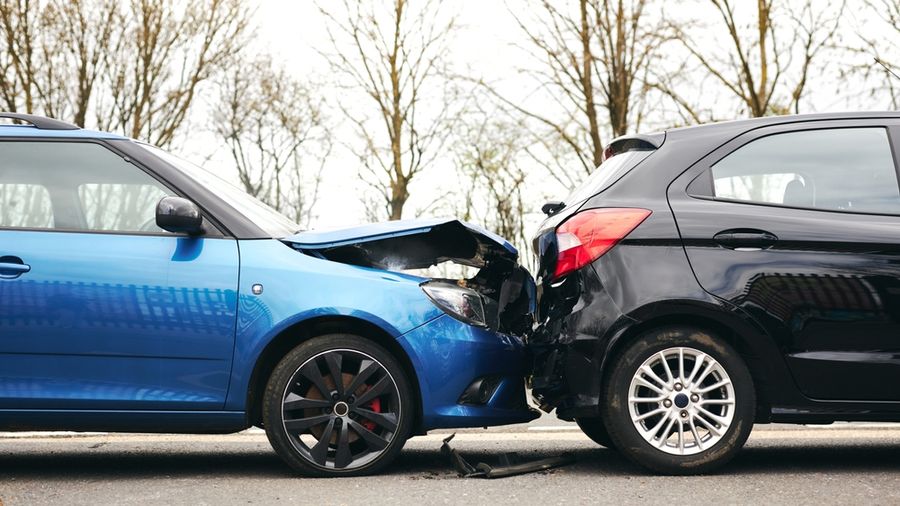
A car accident can leave even the calmest driver feeling shaken, overwhelmed, and unsure of what to do next. In the moments following a crash, emotions run high, and decisions feel urgent, which makes it easy to miss important steps. Having a clear plan can help you stay focused, protect your safety, and avoid complications later. Knowing what actions matter most can make a stressful situation feel more manageable and give you confidence when it matters.
Make Safety the Immediate Priority
The first moments after a car accident should focus on safety above all else. Take a breath and check yourself and any passengers for injuries, even if everything feels fine at first. Some injuries don’t show symptoms immediately, so pay close attention to pain, dizziness, or confusion. If anyone is hurt, call emergency services right away and follow their instructions until help arrives.
If the vehicles are creating a hazard and can be moved safely, pull them to the side of the road or a nearby shoulder. Turn on hazard lights to alert other drivers and reduce the risk of another collision. Stay aware of traffic conditions and avoid standing in active lanes. If the vehicles cannot be moved, remain inside with seatbelts fastened until help arrives, especially on busy roads or highways.
Call the Police and Get an Official Report
Contacting the police is an important step, even for accidents that seem minor. An official report provides documentation that can be critical for insurance claims and resolving disputes later. When officers arrive, cooperate fully and provide your license, registration, and insurance information as requested. Stick to clear, factual descriptions of what happened without guessing or exaggerating details.
Ask for the officers’ names and badge numbers, and find out how to obtain a copy of the police report. This report often includes diagrams, witness statements, and notes that can help clarify what occurred. If police are unable to respond, ask how to file a report yourself through the local department or online system. Having official documentation helps protect you if questions or disagreements arise later.
Exchange Information With Everyone Involved
Once the scene is safe and authorities have been contacted, exchange information with the other driver or drivers involved. Gather names, phone numbers, addresses, insurance company names, policy numbers, driver’s license numbers, and license plate details. If possible, note the make, model, and color of each vehicle as well.
If there are witnesses, politely ask for their contact information. Independent witness statements can be incredibly helpful if there is disagreement about what happened. Avoid discussing fault or placing blame while exchanging information. Keep the conversation calm and focused on gathering details. Staying professional and organized at this stage helps ensure you have everything needed for insurance and reduces the chance of confusion later.
Document the Scene Thoroughly
Photos and videos can be just as important as a police report. Use your phone to capture images of all vehicles involved, including damage from multiple angles. Take photos of license plates, the positions of the cars, skid marks, traffic signs, road conditions, and any visible injuries. If weather or lighting played a role, document that as well.
Short videos can provide context that photos might miss, such as traffic flow or surrounding conditions. Make notes about the time, location, and sequence of events while details are fresh in your mind. This documentation can help insurance adjusters understand what happened and can be valuable if questions arise weeks or months later. The more thorough your records, the better protected you’ll be.
Be Careful With What You Say at the Scene
It’s natural to feel apologetic or shaken after an accident, but it’s important to avoid admitting fault or making statements that could be misunderstood. Even casual comments like “I didn’t see you” can be taken out of context later. Focus on facts rather than opinions when speaking with police, other drivers, or witnesses.
Answer questions honestly but briefly, and avoid speculating about causes or responsibility. Let insurance companies and authorities determine fault based on evidence and reports. Keeping conversations neutral protects your rights and prevents unnecessary complications during the claims process. Staying calm and measured with your words is just as important as gathering the right information.
Notify Your Insurance Company Promptly
After leaving the scene, contact your insurance company as soon as possible to report the accident. Even if you’re unsure whether you’ll file a claim, notifying them creates a record of the incident. Be prepared to share basic details, including the time, location, and parties involved, as well as photos and the police report number if available.
Your insurer will explain the next steps, such as vehicle inspections, repairs, or medical coverage. Keep copies of all documents, estimates, and correspondence related to the accident. Staying organized helps the process move more smoothly and reduces stress. Prompt communication ensures there are no delays that could affect coverage or claim resolution.
Turning a Stressful Moment Into a Clear Path Forward
A car accident can feel chaotic, but taking the right steps helps restore a sense of control. Prioritizing safety, documenting carefully, and communicating clearly can protect both your well-being and your financial interests. While the experience is never pleasant, being prepared makes it far less overwhelming.
Keeping a simple checklist in mind can make all the difference when emotions are high and time feels compressed. By staying calm and methodical, you give yourself the best chance for a smooth recovery—both on the road and beyond it. Accidents happen, but knowing how to respond can help you move forward with confidence.