

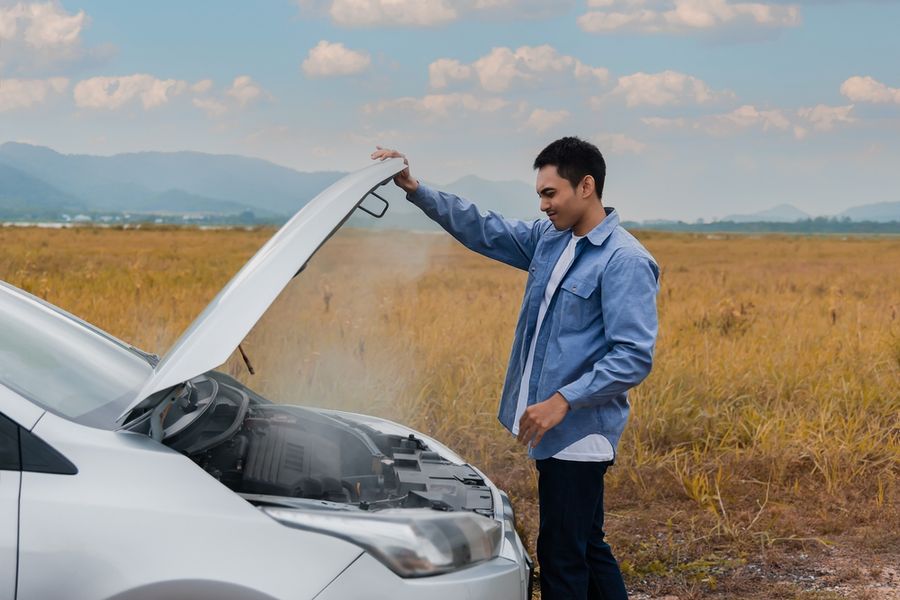
Few car problems trigger instant panic like seeing the temperature gauge climb toward the red or spotting steam curling out from under the hood. Overheating can happen in stop-and-go traffic, on a long road trip, or even on a normal errand run, especially in hot weather. The good news is that a fast, calm response can protect your engine from serious damage. Knowing what to do in the moment also makes it far easier to prevent a repeat performance later.
Know the Early Warning Signs Before It Gets Serious
Most engines don’t overheat out of nowhere. They usually send warning signals first, and catching them early can save you from a breakdown. The most obvious sign is your temperature gauge climbing toward “H” or entering the red zone. Some vehicles also trigger a temperature warning light or even a check engine light when the cooling system is struggling. If you see either one, treat it as urgent.
Smell can also be a clue. A sweet odor may indicate leaking coolant, while a hot, burnt smell could point to oil or rubber overheating. Steam coming from the hood can look like smoke, which is scary, but it’s often coolant boiling over. Loss of power, rough running, or a sudden “limp mode” feeling can also happen when the engine is trying to protect itself.
What to Do Immediately When Your Car Starts Overheating
If your car starts overheating while you’re driving, the goal is to reduce engine heat fast without making the situation worse. First, turn off the air conditioner. A/C puts extra load on the engine, and shutting it down can help bring the temperature down. Next, turn the heat all the way up. It sounds miserable (and it is), but it pulls heat away from the engine and into the cabin.
Then, look for a safe place to pull over as soon as possible. Don’t push your luck trying to “make it home.” Once you’re safely parked, shut off the engine. At this point, your job is to let everything cool down. Stay calm, stay safe, and don’t rush into popping the hood right away. Heat and steam can cause serious burns.
What NOT to Do (Because This Is Where People Get Hurt)
Overheating is one of those situations where doing the wrong thing can turn a manageable problem into a dangerous one. The biggest mistake is continuing to drive while the engine is overheating. Even a few extra minutes can warp cylinder heads, damage gaskets, or cause catastrophic engine failure. If the temperature is climbing fast, pulling over is the safer, cheaper choice.
Another common mistake is opening the hood immediately. If steam is coming out, your engine bay is basically a pressure cooker. Let the car cool down first. Never remove the radiator cap while the engine is hot. That cap is holding back scalding coolant under pressure, and it can spray violently.
Also, don’t pour cold water on a hot engine. The sudden temperature change can crack metal components. And don’t assume the problem fixed itself just because the gauge drops after you shut the car off. Overheating always has a cause.
How to Cool Things Down Safely and Decide Your Next Move
Once your engine is off, give it at least 15–30 minutes to cool. More time is better, especially if you saw steam. Watch the temperature gauge if your vehicle allows it. When it returns to a normal range and stays there, you can carefully assess the situation. If you have roadside assistance, this is a good moment to call. A tow may be the best option if the car overheats severely.
After the engine has cooled, you can check the coolant reservoir under the hood. Many cars have a translucent overflow tank with “low” and “full” markings. If it’s low and you have the correct coolant, you can top it off carefully—but only when the engine is cool. If you don’t have coolant, adding water can be a temporary emergency option, but it’s not a long-term fix. If you decide to drive, keep the trip short and go straight to a repair shop while watching the gauge closely.
Common Reasons Cars Overheat (So You Know What to Fix)
A car overheats when heat isn’t being carried away properly. The most common culprit is low coolant, often caused by a leak. Coolant is essential because it circulates through the engine and transfers heat to the radiator, where it can cool down. Without enough coolant, engine temperatures climb quickly.
A faulty thermostat can also cause overheating by getting stuck closed, which prevents coolant from circulating. A broken water pump can do the same thing, since coolant can’t move through the system without it. Radiator fans can fail, especially in stop-and-go traffic where airflow is limited. Cracked hoses, worn belts, and damaged radiators are also frequent causes.
Low engine oil can contribute to. Oil reduces friction and helps manage heat. If oil is low or old, the engine may run hotter than normal and become more vulnerable to overheating.
Prevention That Actually Works (Not Just “Get It Serviced”)
Preventing overheating is mostly about keeping your cooling system healthy. Check your coolant level every few months and before long trips, especially in summer. If the reservoir is consistently low, there’s likely a leak that needs attention. Pay attention to any sweet smell, puddles under the car, or dried residue near hoses and the radiator.
Have your cooling system inspected during routine maintenance. Hoses and belts wear out over time, and a small crack can turn into a major leak without much warning. Coolant also doesn’t last forever. Most vehicles need a coolant flush at intervals recommended by the manufacturer, and skipping it can lead to corrosion inside the radiator and engine passages.
It also helps to stay on top of oil changes and keep your radiator area clear of debris. A clean, well-maintained system is your best defense against a roadside meltdown.
When to Get Help and When to Stop Driving Completely
Sometimes you can limp to a shop. Sometimes you absolutely should not. If the temperature gauge hits the red and stays there, if the car starts losing power, or if you see heavy steam, stop driving and call for help. Continuing can cause damage that costs thousands of dollars. An overheated engine can go from “fixable” to “replacement” shockingly fast.
If your car overheated once and then seems fine, don’t treat it like a fluke. Even if it drives normally afterward, the system may still be leaking or failing. A mechanic can pressure test the cooling system, inspect the radiator and hoses, and check the thermostat and water pump.
Overheating is one of the few car problems where immediate caution pays off. A calm response keeps you safer, protects your engine, and prevents a stressful moment from becoming an expensive disaster.