

Low-impact workouts have a reputation for being “easy,” but anyone who’s ever finished a fast walk uphill or a tough swim set knows the truth. The best low-impact exercise still challenges your heart, strengthens muscles, and builds endurance, without leaving your joints feeling wrecked. Whether you’re easing into fitness, protecting your knees, or simply looking for sustainable ways to move more, low-impact training can deliver real results with less soreness and fewer setbacks.
Why Low-Impact Training Works Better Than People Think
Low-impact exercise simply means that at least one foot stays on the ground (or you’re supported, like in water or on a machine). It doesn’t mean low effort. In fact, many low-impact workouts can raise your heart rate into the same training zones as running, especially when you adjust speed, resistance, or incline. This makes low-impact movement ideal for improving cardiovascular fitness while reducing repetitive pounding on joints.
Another reason low-impact workouts “work” is consistency. When exercise doesn’t leave you injured, overly sore, or dreading the next session, you’re more likely to keep showing up. Over time, results come from repeated effort: stronger muscles, better endurance, improved metabolism, and more energy day to day. Low-impact training can also support fat loss when paired with a balanced diet and regular movement throughout the week.
Swimming: Full-Body Cardio Without Joint Stress
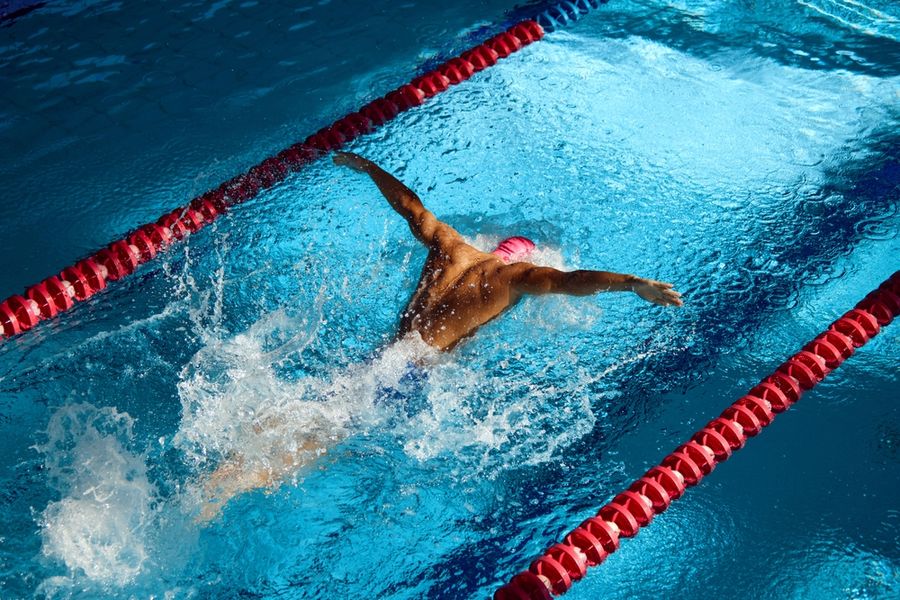
Swimming is one of the most effective low-impact workouts available because water supports your body weight while still creating resistance. This means your joints get a break while your muscles and cardiovascular system work hard. Even a steady pace can quickly elevate your heart rate, especially if you’re doing continuous laps or alternating strokes. It’s also an excellent option for anyone dealing with knee pain, back issues, or recovering from injury.
What makes swimming especially powerful is that it’s truly full-body. Your arms, shoulders, core, back, and legs all contribute, and the resistance of water makes each movement more demanding than it looks. To get results, focus on consistency and structure—such as swim intervals, timed sets, or alternating faster laps with recovery laps. Over time, swimming builds endurance, improves posture, and develops lean strength without the wear and tear.
Biking: A Leg-Burning Workout That’s Easy on Knees
Cycling is a classic low-impact workout for good reason: it strengthens your legs and improves cardio fitness without the pounding that comes with running. Whether you’re riding outdoors or using a stationary bike, cycling targets the quads, hamstrings, glutes, and calves while also challenging your lungs and heart. It’s especially helpful for people who want to protect their knees while still building lower-body strength.
To make biking more effective, focus on resistance and intervals rather than just cruising. Hills outdoors or resistance levels indoors can create a serious strength-building stimulus. Interval rides—such as short bursts of faster pedaling followed by slower recovery—can also improve endurance and burn more calories in less time. Cycling is also easy to scale, making it a long-term workout option you can progress with for years.
Elliptical: The Closest Thing to Running Without the Impact
The elliptical is one of the best low-impact cardio options for people who enjoy the feel of running but don’t love the joint pain. Because your feet stay connected to the pedals, it removes the harsh landing forces that can irritate knees, hips, and ankles. At the same time, it can still raise your heart rate quickly, especially if you increase resistance or use the incline feature.
Many people don’t get results on the elliptical because they treat it like a casual stroll. The key is using it with intention. Push and pull through your legs, keep your posture tall, and avoid leaning on the handles for support. Try structured workouts like hill climbs, resistance intervals, or steady-state cardio at a challenging pace. When used correctly, the elliptical can improve endurance, support fat loss goals, and strengthen the legs with far less impact than jogging.
Rowing: Low-Impact, High-Intensity, Full-Body Results
Rowing machines are a hidden gem for low-impact training. Rowing is joint-friendly because the movement is smooth and supported, but it can become extremely intense. It works major muscle groups—legs, glutes, back, core, and arms—while also challenging your cardiovascular system. Because it’s full-body, rowing often feels harder and faster than many other machines, which makes it efficient for people short on time.
Proper form matters for both results and comfort. Power should come mainly from the legs, followed by the hips and core, then the arms. Many beginners pull too much with the upper body, which can lead to fatigue and lower back strain. Once your technique feels solid, rowing intervals are one of the fastest ways to improve conditioning. Even short workouts can build endurance, strengthen your posterior chain, and boost calorie burn without impact.
Walking and Hiking: The Most Underrated Workout for Results
Walking is often dismissed as “not enough,” but it’s one of the most sustainable ways to build fitness and support weight management. It’s gentle on joints, accessible for almost every fitness level, and easy to do consistently. Walking also improves circulation, supports heart health, and builds baseline endurance. When you increase pace, distance, or incline, walking becomes a serious workout that can rival higher-impact options.
Hiking takes it up a notch by adding uneven terrain, hills, and a longer time under tension. It strengthens the glutes, quads, calves, and stabilizing muscles around the hips and ankles. Hiking also has a mental health bonus: nature, sunlight, and a sense of adventure can make it feel less like “exercise” and more like something you actually want to do. Consistent walking and hiking can absolutely produce results, especially when paired with strength training.
The Secret Ingredient: Strength Training That Stays Low-Impact
Low-impact cardio is powerful, but results often improve dramatically when it’s paired with low-impact strength training. Strength work helps build muscle, improve joint stability, and protect your body from injury. It also supports metabolism and makes everyday movement easier. The best part is that strength training doesn’t have to involve jumping or heavy barbells to be effective.
Bodyweight movements, resistance bands, dumbbells, and controlled exercises like squats, lunges, step-ups, glute bridges, deadlifts, and push-ups can all be low-impact while still challenging. Pilates and yoga can also build serious core strength, balance, and mobility. For the strongest results, aim for a mix: 2–3 strength sessions per week and regular low-impact cardio. That combination builds a body that feels strong, capable, and less prone to aches and pains.
Building a Routine You’ll Actually Stick With
Low-impact workouts get results because they’re sustainable. They allow you to train hard without feeling punished afterward, which makes it easier to stay consistent week after week. Swimming, biking, elliptical sessions, rowing, and walking can all improve endurance and support weight loss, while low-impact strength training builds muscle and protects your joints.
The best plan is the one that fits your lifestyle. Mixing different low-impact options keeps workouts from getting boring and helps prevent overuse injuries. Start where you are, increase intensity gradually, and focus on building habits you can maintain long term. When exercise stops feeling like a battle, progress becomes much easier—and your results start showing up faster than you’d expect.