
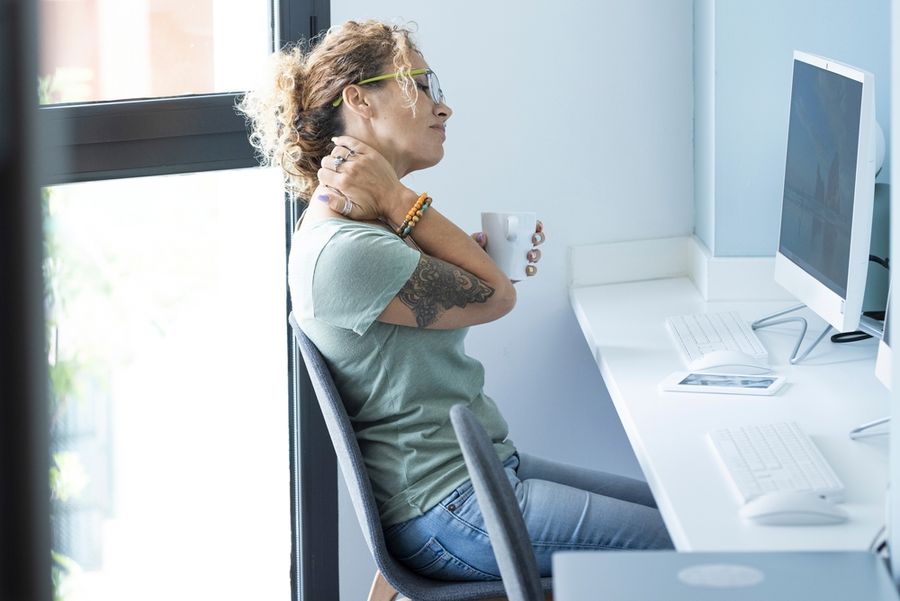
Hours can pass without much movement, especially during workdays filled with screens, meetings, and long stretches at a desk. Sitting may feel harmless, but the body notices every minute spent staying still. Muscles tighten, energy dips, and circulation slows in ways that aren’t always obvious at first. Over time, that stillness can quietly affect strength, mood, and overall health, even for people who make time for regular exercise.
Why Sitting Feels Easy but Takes a Toll
Sitting feels natural because it requires very little effort. Your body gets a break from movement, and your brain can focus on tasks without distraction. Over time, though, that lack of movement starts working against you. The body is designed to move frequently, not stay in one position for hours at a time.
When movement drops, energy use drops too. Your muscles don’t engage as much, and your systems begin to slow down. Even digestion and circulation work less efficiently while seated for long stretches. What feels like rest can quietly shift into inactivity that affects how your body functions throughout the day.
How Your Muscles and Posture Start to Change
Long periods of sitting can weaken major muscle groups, especially in your legs and glutes. When those muscles aren’t used regularly, they lose strength and stability. That can affect balance, walking patterns, and overall mobility over time.
Posture also tends to suffer. Many people lean forward, round their shoulders, or crane their necks toward screens. That position puts extra strain on the spine, hips, and shoulders. Over time, tight hip flexors and a weakened core can lead to discomfort and stiffness. Even small posture changes can build into chronic pain if sitting habits don’t shift.
The Impact on Your Heart and Circulation
Sitting for long stretches can slow blood flow, especially in your legs. When circulation isn’t as active, blood can pool in lower areas of the body, leading to swelling or discomfort. In more serious cases, limited movement may increase the risk of blood clots.
Your heart also feels the effects. Less movement means less demand on your cardiovascular system, which can weaken its efficiency over time. Studies have linked extended sitting with a higher risk of heart disease and related conditions. Regular movement helps keep blood flowing and supports overall heart health in ways that sitting simply can’t.
What Happens to Your Metabolism and Energy
Your metabolism depends on movement to function well. When you’re active, your muscles help regulate blood sugar and process nutrients more efficiently. Sitting for long periods reduces that activity, which can affect how your body handles fats and sugars.
Over time, that slowdown may contribute to weight gain and increased risk of metabolic conditions. Energy levels can also take a hit. Without regular movement, your body doesn’t get the same boost in circulation and oxygen flow. That can leave you feeling sluggish, even if you’ve had enough sleep.
The Overlooked Effects on Mental Health
Sitting doesn’t just affect your body. It can also influence how you feel mentally. Research has found connections between long periods of inactivity and higher rates of anxiety and depression. Less movement often means fewer opportunities for mood-boosting benefits like increased endorphins and reduced stress.
Focus and motivation can also suffer. Sitting for hours without a break may lead to mental fatigue and difficulty concentrating. Movement, even in small amounts, helps reset your brain and improve clarity. Without that reset, it’s easy to feel stuck, distracted, or mentally drained by the end of the day.
Why Exercise Alone Doesn’t Cancel It Out
It’s easy to assume that a daily workout balances out hours of sitting. Exercise is important, but long periods of inactivity can still have negative effects, even if you stay active for part of the day.
The key issue is how much time is spent sitting without interruption. A workout might improve fitness, but it doesn’t fully counteract the effects of being sedentary for the rest of the day. Regular movement throughout the day matters just as much as planned exercise. Short breaks, stretching, and standing can help reduce the strain that builds up from staying still too long.
Small Shifts That Make a Big Difference
Breaking up long periods of sitting can have a noticeable impact on how your body feels. Standing up, stretching, or taking a short walk every 30 minutes can help improve circulation and reduce stiffness. Even brief movement adds up over time and supports better overall health.
Simple habits can make movement feel more natural. Walking during phone calls, using a standing desk part of the day, or taking active breaks can help balance out time spent sitting. A more active routine doesn’t require drastic changes. Small, consistent shifts can help your body stay energized, supported, and better aligned with how it’s meant to function.