

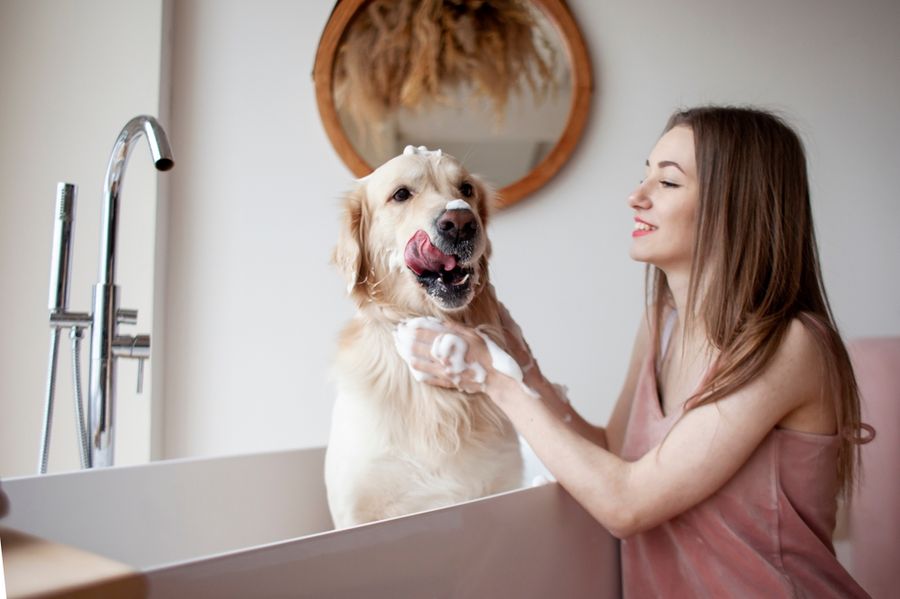
Dogs have a special talent for finding mud puddles, grassy fields, and mysterious smells that humans would rather avoid. Bath time quickly becomes a regular part of life with a canine companion, yet many pet owners wonder whether they’re bathing too often or not enough. Grooming needs vary widely depending on coat type, lifestyle, and health. A clean, comfortable dog usually comes down to balance, meaning keeping fur fresh while protecting the natural oils that help maintain healthy skin.
How Often Should Most Dogs Be Bathed?
Many healthy dogs do well with a bath every four to six weeks, although that schedule can vary depending on several factors. Bathing helps remove dirt, allergens, and loose hair that build up over time. At the same time, a dog’s skin produces natural oils that protect the coat and keep the skin hydrated. Washing too frequently can strip away those oils, which may lead to dryness or irritation.
Some dogs may go much longer between baths without any problems. Short-haired breeds that spend most of their time indoors often stay clean for weeks at a time. Meanwhile, adventurous pups that love rolling in dirt or swimming in lakes might need more frequent cleaning. A good rule of thumb is to pay attention to odor, visible dirt, and coat condition rather than following a rigid calendar.
Why Coat Type Makes a Big Difference
A dog’s coat plays a major role in determining grooming needs. Long-haired breeds such as Collies or Shih Tzus tend to collect debris and develop tangles more easily, which may require more regular grooming attention. Hairless breeds or dogs with oily coats may also need more frequent baths to keep skin healthy and prevent buildup.
Double-coated breeds like Labrador Retrievers, Huskies, and German Shepherds often require more brushing than bathing. Undercoats shed heavily during seasonal changes, and brushing helps remove loose fur while distributing natural oils across the coat. Dogs with corded coats, such as the Puli, may look high maintenance but sometimes need fewer baths once their coat structure forms properly. Grooming needs depend more on coat structure than simply fur length.
Brushing Is Just as Important as Bathing
Bathing often gets most of the attention, but brushing is one of the most important grooming habits for dogs. Regular brushing removes loose fur, spreads natural oils through the coat, and helps prevent tangles or matting. For long-coated dogs, brushing may be necessary every day to keep fur manageable and comfortable.
Short-haired breeds usually need brushing at least once a week to keep shedding under control and maintain a healthy coat. Dogs with thick undercoats benefit from specialized de-shedding tools that pull loose hair from deeper layers. Brushing also provides a chance to check for skin problems, fleas, ticks, or small injuries that might otherwise go unnoticed. Consistent brushing can reduce the need for frequent baths while keeping coats clean and healthy.
Lifestyle and Activity Levels Matter
A dog’s daily routine can dramatically influence grooming needs. Dogs that spend a lot of time outdoors exploring trails, rolling in grass, or swimming in lakes often need more frequent cleaning than dogs that live mostly indoors. Mud, pollen, and environmental debris can accumulate quickly during active adventures.
Swimming introduces another grooming consideration. Dogs that regularly swim in lakes, oceans, or pools may benefit from a rinse with fresh water afterward to remove salt, chlorine, or bacteria. In some cases, a full bath may not be necessary every time. Active dogs may simply need quick spot cleaning between baths, especially if only paws or legs get dirty. Paying attention to lifestyle habits helps determine the right balance between cleanliness and healthy skin.
Health Conditions That Change Grooming Needs
Some dogs require special bathing routines due to skin conditions or allergies. Veterinarians may recommend medicated shampoos designed to treat issues such as yeast infections, hot spots, or chronic itching. In those cases, bathing frequency may increase temporarily as part of treatment.
Using the wrong products on sensitive skin can worsen irritation, so choosing dog-specific shampoos is essential. Human shampoos often have a different pH balance that can disrupt a dog’s skin barrier. Owners who notice excessive scratching, redness, flakes, or unusual odors should consult a veterinarian before adjusting a grooming routine. Health concerns sometimes require personalized grooming schedules that differ from typical recommendations.
Grooming Goes Beyond Just Bath Time
A healthy grooming routine includes much more than bathing. Nail trimming, ear cleaning, and checking skin folds are all essential tasks that keep dogs comfortable and prevent infections. Many veterinarians recommend giving dogs a weekly “once-over” to monitor overall condition.
Long nails can affect walking posture and cause joint strain over time, making regular trimming important for mobility. Ear cleaning helps prevent wax buildup and infections, especially in breeds with floppy ears. Dogs with skin folds, such as Bulldogs, need regular cleaning to prevent moisture buildup and irritation. Grooming sessions also strengthen the bond between dog and owner, turning routine care into a moment of trust and attention.
A Clean Dog Is a Comfortable Dog
A healthy grooming routine isn’t about constant baths or perfectly styled fur. The goal is comfort, cleanliness, and skin health. Dogs that receive consistent brushing, occasional baths, and routine grooming checks tend to have shinier coats and fewer skin problems. Balance matters more than strict schedules.
Every dog has unique grooming needs shaped by breed, coat type, activity level, and overall health. Paying attention to how your dog looks, smells, and feels often provides the best guidance. With a little consistency and observation, grooming becomes less of a chore and more of a simple habit that keeps your companion happy, healthy, and ready for the next muddy adventure.