

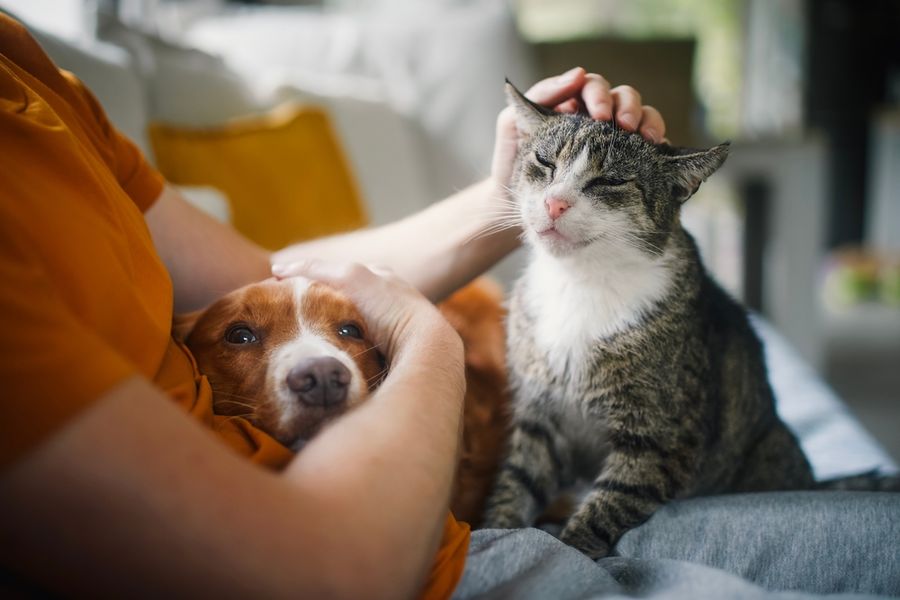
Bringing a pet home changes the way you look at everything. Cords become chew toys, counters become launch pads, and a dropped pill suddenly feels like an emergency. Cats and dogs inspect with their mouths, paws, and curiosity, which can turn everyday household items into real dangers. Pet-proofing isn’t about making your home sterile or boring. It’s about creating a space where accidents are less likely, emergencies are less common, and your pet can safely live their best chaotic little life.
Toxic Foods and Kitchen Dangers
The kitchen is one of the riskiest rooms for pets because it’s packed with tempting smells and hidden hazards. Dogs are more likely to snatch food off counters, but cats can get into trouble too—especially with fatty leftovers, bones, and anything left unattended. Foods like chocolate, grapes, raisins, onions, garlic, and xylitol-sweetened products can be dangerous, even in small amounts. Grease drippings, coffee grounds, and alcohol are also serious concerns.
Trash cans are another major issue. Chicken bones, corn cobs, and food wrappers can cause choking or intestinal blockages. Secure trash with a locking lid and avoid leaving food unattended on tables or counters. For extra safety, keep pantry doors closed and store food in containers rather than bags that can be chewed through. A little prevention in the kitchen can spare a lot of panic later.
that
One dropped pill can become a medical crisis, especially for dogs that vacuum up anything on the floor. Human medications, including pain relievers, antidepressants, ADHD medications, and sleep aids, are among the most common poisoning risks for pets. Vitamins and supplements can also be harmful, particularly iron, vitamin D, and certain “gummy” formats that smell like candy. Cats are at risk too, especially if medication is left on a nightstand or counter.
Cleaning supplies, pesticides, and automotive products are another danger zone. Antifreeze is notoriously toxic and can be fatal even in small amounts. Keep all chemicals in closed cabinets, ideally behind child-proof latches. Avoid leaving open buckets of cleaning water on the floor, and store laundry pods well out of reach. If you use essential oils, be cautious—some can irritate pets or cause more serious issues, especially for cats.
Choking Hazards, Small Objects, and Trash Trouble
Pets don’t always understand what’s edible. Dogs are especially prone to swallowing socks, hair ties, toys, and random plastic they find under furniture. Cats may chew on string, rubber bands, or ribbon, which can be extremely dangerous if swallowed. Linear objects like yarn, tinsel, and thread can cause severe intestinal injury and may require emergency surgery. Even something as innocent as a dangling hoodie string can become a temptation.
Look at your home from pet's level and scan for small, swallowable items. Keep kids’ toys picked up, store craft supplies in closed containers, and avoid leaving small batteries where pets can access them. Button batteries are particularly hazardous because they can burn tissue quickly if chewed. If your pet loves to shred things, keep paper products, plastic packaging, and foam objects out of reach. Pet-proofing often means building better habits around clutter.
Electrical Cords, Chargers, and Tech Temptations
Cords are a sneaky danger because they’re everywhere and easy to ignore—until a pet decides to chew one. Puppies are the biggest offenders, but cats can also chew cords, especially if they’re bored or teething. Chewing an electrical cord can cause burns in the mouth, breathing issues, or even electrocution. It can also lead to a house fire if a cord is damaged and continues to be used.
Bundle cords together with cord organizers, cover them with protective tubing, and keep chargers unplugged when not in use. Avoid leaving headphones, laptop cords, or game controller cables dangling from desks. For cats, cords that move—like dangling phone chargers—can look like toys. Offering appropriate chew outlets for dogs and enriching toys for cats can reduce the urge to gnaw on forbidden items. Tech is expensive, but the bigger concern is preventing an injury that happens in seconds.
Plants, Candles, and Household Decor Risks
Many , are toxic to pets, and cats are particularly likely to nibble on greenery. Lilies are a major concern for cats and can be extremely dangerous even in tiny amounts. Other plants like pothos, philodendron, and sago palm can cause serious symptoms in cats and dogs. Even “mildly toxic” plants can still lead to vomiting, drooling, and discomfort. If you love plants, choose pet-safe options and keep all greenery out of reach.
Decor can also create hazards. Candles, wax melts, and essential oil diffusers can lead to burns or ingestion issues if knocked over. Cats love climbing and knocking items down, while dogs may chew on decor pieces like wooden ornaments or seasonal displays. Secure heavy objects, avoid fragile items at pet level, and keep cords from decorative lights tucked away. A home can still look stylish without becoming a danger zone.
Doors, Windows, Balconies, and Escape Risks
Escape prevention is one of the most overlooked parts of pet-proofing. Dogs can bolt through open doors, slip out of gates, or dash when someone brings in groceries. Cats may dart out, too, but they’re also at risk from open windows and balcony gaps. Window screens are not a reliable barrier, especially for curious cats who press against them. A fall from a window can cause serious injuries, even from a lower floor.
Make sure doors latch securely and consider baby gates or barriers in high-traffic entryways. Use window locks or open windows only from the top when possible. For balconies, ensure railings don’t have gaps wide enough for a cat to squeeze through. Dogs can also get into trouble in garages, where tools, chemicals, and sharp objects are often stored. The goal is simple: reduce the chance of a split-second mistake turning into a search party or an emergency vet visit.
A Safer Home Means a Happier, Calmer Pet Life
Pet-proofing doesn’t require turning your home into a padded room. It’s more like adjusting the environment so your pet can explore without stumbling into danger. The biggest risks tend to come from everyday items—food, cords, plants, medications, and small objects that get left out during busy moments. Once you spot the patterns, it becomes easier to prevent problems before they happen.
A good rule of thumb is to check each room the way a curious pet would: low to the ground, nose-first, and with zero common sense. Small upgrades like cabinet locks, cord covers, and secure trash cans can make a huge difference. The reward is peace of mind—and fewer moments where you’re sprinting across the house yelling, “What’s in your mouth?!”