

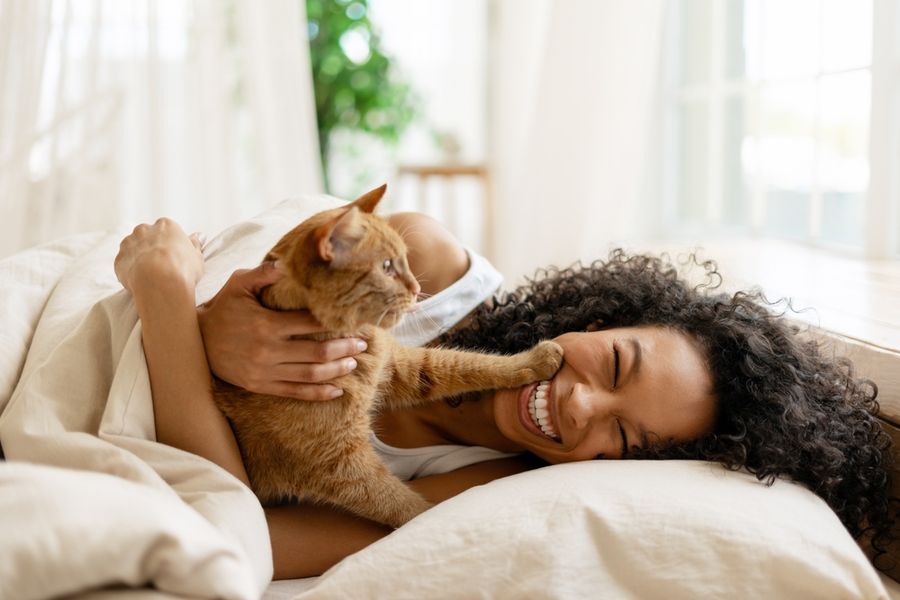
Cats are tiny weirdos in the best possible way. One minute they’re lounging like royalty, and the next they’re sprinting down the hallway as if the floor is lava. They headbutt you with surprising force, chatter at birds like they’re trash-talking, and sometimes stare into a corner like they’re watching a movie only they can see. Most “odd” cat behaviors are completely normal. They're usually instinct, communication, or simple curiosity wrapped in fur. Knowing the why makes it even funnier.
The Zoomies and Wall-Bouncing: When Cats Go Full Chaos Mode
Sudden bursts of speed—often called the zoomies—are a classic cat move. Cats may dart from room to room, jump on furniture, and launch themselves into dramatic turns like they’re in a tiny action film. This behavior is especially common in kittens and younger cats, but adults do it too when they have extra energy. Catnip can also trigger goofy, high-speed behavior for a short time.
Zoomies are usually normal and harmless, but safety matters. A cat in full sprint can knock over lamps, crash into furniture, or slip on hard floors. If the zoomies are happening constantly at night, it can be a sign your cat needs more playtime during the day. Interactive play with a wand toy or a short “hunt” session before bedtime can help burn off energy and keep nighttime chaos to a minimum.
Head Bumps, Face Rubs, and “Claiming” You Like a Favorite Blanket
When a cat bumps their head into you, it’s not an accident—it’s a compliment. Head bunting and cheek rubbing are affectionate behaviors that also serve a purpose: scent marking. Cats have scent glands around their cheeks and head, and when they rub on you, they’re leaving pheromones that signal comfort and familiarity. In cat logic, you’re part of the safe zone.
Not every cat is a headbutter, and that’s okay. Some cats show affection by slow blinking, following you around, or choosing to nap nearby. If your cat does head bump, don’t push them away. Gentle petting and calm attention reinforce trust. It’s one of the sweetest “weird” behaviors because it’s both love and a little bit of possessive pride at the same time.
Chattering at Birds: The Tiny Predator in Your Window
That rapid clicking or chattering sound cats make while staring at birds is one of the most entertaining things they do. It’s often linked to excitement and frustration. Your cat’s hunting instincts kick in, their body wants to pounce, and the bird is out of reach. The chattering can be a release of that pent-up predatory energy, like your cat is vibrating with anticipation.
Window watching is great enrichment, but it can also leave some cats overstimulated. If your cat gets extremely worked up, add an outlet afterward—play with a wand toy or toss a ball so they can “complete the hunt.” A perch by the window, a bird feeder outside (placed at a safe distance), and regular play sessions can help channel the instinct in a healthy way. It’s a natural behavior with a very dramatic soundtrack.
Kneading, Purring, and Making Biscuits Like a Tiny Baker
Kneading is when cats press their paws into a blanket, pillow, or your lap in a slow, rhythmic motion. It often traces back to kittenhood, when nursing kittens knead their mother’s belly to stimulate milk flow. Many adult cats keep the habit because it’s comforting. Kneading can also be linked to relaxation and contentment, and some cats purr while doing it, like they’re in a total bliss trance.
The only downside is claws. If your cat kneads you like you’re dough, it can be painful. Keeping nails trimmed and placing a thick blanket between you and their paws helps. It’s also a good sign when a cat kneads in your presence—many cats do it when they feel safe. In a cat’s world, kneading is a cozy behavior that often means “this place feels like home.”
Knocking Stuff Off Tables: Science Experiment or Attention Grab?
Few cat behaviors test patience like watching your cat slowly shove an object off a table while making direct eye contact. It can look like pure spite, but it’s usually curiosity and instinct. Cats explore with their paws, and batting at objects helps them understand how something moves, sounds, or reacts. It’s also a way to practice hunting-style swats, and some cats learn that it gets a big human reaction.
If your cat is doing it for attention, reacting dramatically can reinforce the behavior. A better strategy is prevention and enrichment. Put breakable items out of reach and offer your cat more interactive playtime, puzzle feeders, and toys that satisfy their urge to bat and chase. If knocking things over is constant, it may signal boredom. A cat with enough stimulation is far less likely to treat your nightstand like a demolition site.
Chewing Weird Stuff and Eating Plants: When Cute Turns Risky
Some cats chew on odd items like plastic bags, rubber bands, or fabric. This can happen due to boredom, anxiety, or a habit formed early in life, especially if they were weaned too soon and developed comfort-chewing. Cats may also nibble on plants out of curiosity, digestive discomfort, or instinct. While occasional nibbling can be normal, it can become dangerous fast if the item is toxic or causes a blockage.
If your cat is chewing non-food objects, remove tempting items immediately and offer safe alternatives like chewable cat toys or crunchy treats. For plant nibbling, make sure all houseplants are cat-safe and keep toxic plants completely out of reach. Persistent chewing, frequent vomiting, or appetite changes should prompt a vet visit. Some “silly” cat behaviors are harmless—this one deserves extra caution.
Living With a Cat Means Learning Their Secret Language
Cats may act mysterious, but their behavior usually has a reason behind it. Zoomies release energy, kneading signals comfort, chattering shows hunting excitement, and head bumps mix affection with scent-marking. Even the annoying stuff (like knocking items over!) often ties back to curiosity or a need for stimulation. When you recognize the patterns, the chaos starts to feel less random and more like a quirky personality.
The best approach is balancing safety with enrichment. Offer daily play, rotate toys, provide scratching posts and climbing spots, and keep risky items out of reach. When a cat’s physical and mental needs are met, the “weird” behaviors become fun little moments instead of constant frustration. And honestly, a world without cat weirdness would be far less entertaining.