

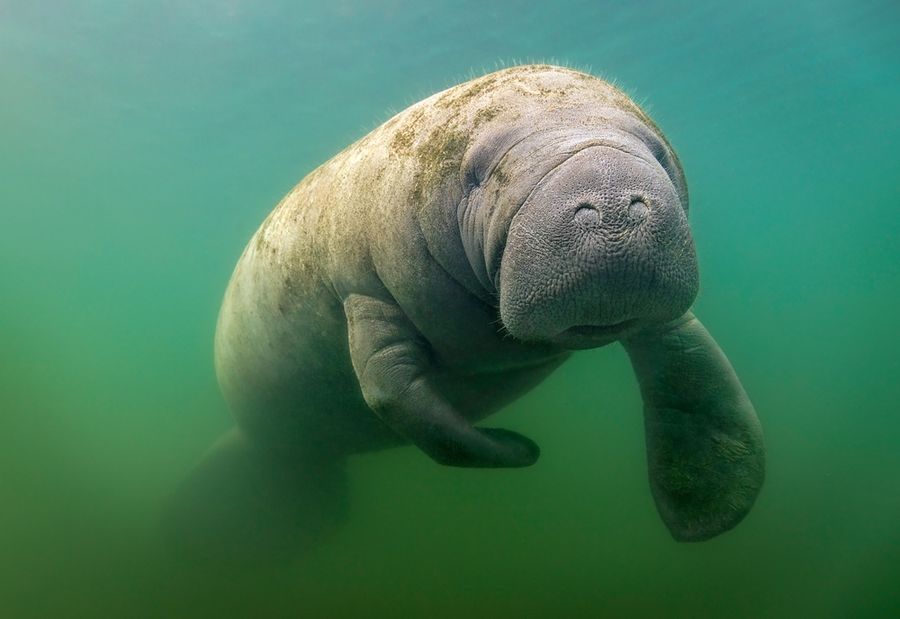
Manatees are gentle giants of the water—slow, curious, and endlessly fascinating. For nature lovers and wildlife photographers alike, spotting the majestic creatures in the wild is a memorable experience. Florida is the epicenter of manatee viewing thanks to its warm springs and protected waterways, but there are a few spots elsewhere worth considering, too. Timing matters for sightings, especially when water temperatures drop, and manatees gather around warm-water sources. With the right planning, watching manatees can be a truly awe-inspiring experience.
Crystal River and Three Sisters Springs, Florida
Crystal River on Florida’s Nature Coast is often called the manatee capital of the world, and for good reason. Three Sisters Springs, a group of natural freshwater springs, draws large numbers of manatees, especially in winter months when water temperatures dip. The springs are crystal clear, allowing outstanding visibility for people in kayaks or on guided boat tours. Visitors may spot over a hundred manatees at once in peak season, often gently drifting or grazing in the calm waters.
This area is especially popular because it combines easy access with reliable sightings in cooler months. While the springs attract crowds, respectful observation—keeping distance and avoiding touching or feeding the animals—is key to preserving the manatees’ comfort and safety. Crystal River also offers a variety of tour operators that specialize in ethical wildlife encounters, helping visitors appreciate manatees without disturbing their natural behaviors.
Blue Spring State Park, Orange City, Florida
Blue Spring State Park is another standout destination for people who want to witness manatees without needing a boat. In winter, manatees flock to the warm spring run where natural boardwalks and overlooks provide excellent vantage points. It’s common to see many individuals clustered here when temperatures drop, creating a striking contrast to the chilly water outside the spring’s flow.
The park itself is beautiful year-round, with hiking trails and swimming areas available in warmer seasons. But it’s the winter manatee gatherings that attract visitors from across the country. The experience tends to be peaceful and accessible, with photography opportunities from designated areas. Because the park’s layout encourages respectful distance, people can enjoy watching manatees up close without intruding on their space.
TECO Manatee Viewing Center, Apollo Beach, Florida
At the TECO Manatee Viewing Center in Apollo Beach, manatees gather around the warm discharge waters of a power station—a unique and reliable viewing spot. The outflow creates a warm-water refuge that draws large numbers of manatees during cooler months, and the center’s walkways and observation platforms make watching them easy and comfortable for visitors of all ages.
Educational exhibits and interpretive signage enhance the experience by teaching about manatee biology and conservation. It’s a great place for families or first-time wildlife watchers to learn about these marine mammals while observing them in a setting specially designed for public viewing. Picnic areas and butterfly gardens add to the site’s appeal, making it a full day-trip destination for anyone interested in Florida’s natural wonders.
Lee County Manatee Park, Fort Myers, Florida
Located along a warm water discharge canal, Lee County Manatee Park is another winter haven for manatees. The park has several viewing platforms that allow visitors to watch manatees congregate close to shore. Colorful gardens and shaded picnic areas make it a pleasant place to spend a few hours between sightings, and volunteers often provide insights into manatee behavior and local ecology.
Because the park is less crowded than some of the more famous springs, it’s a good option for people who want a slightly quieter experience. Viewing areas are accessible and well-maintained, which is helpful for families with young children or older visitors. Manatee Park also has an educational component, encouraging conservation awareness and respecting wildlife while enjoying the incredible spectacle of manatees gathered in one place.
Manatee Lagoon, Riviera Beach, Florida
Manatee Lagoon in Riviera Beach combines wildlife viewing with educational exhibits in an accessible setting. The waterfront center offers observation decks overlooking the lagoon where manatees often appear near warm-water outflows on chilly days. The facility also features interactive displays explaining manatee ecology and habitat challenges, making it a great stop for curious visitors who want context along with sightings.
One of the perks of Manatee Lagoon is its focus on learning. Docents and educational staff help visitors understand behavior, conservation status, and local efforts to protect manatee populations. The Palm Beach County location draws both locals and tourists during winter months, making it a lively but respectful space to enjoy observing these gentle giants. Whether you’re an avid naturalist or casual traveler, Manatee Lagoon offers a compelling blend of wildlife and learning.
The Boat Basin at The Deering Estate, Miami, Florida
The Boat Basin at The Deering Estate in Miami offers a different kind of manatee viewing experience in Biscayne Bay. The combination of calm waters and fresh water inflows creates an inviting habitat for manatees, especially when cooler temperatures push them closer to shore. While sightings here may be less guaranteed than at the major springs, it’s a scenic setting that also offers opportunities to spot other marine life like dolphins and sea turtles.
Unlike natural springs or power plant outflows, the Boat Basin has a quieter, more laid-back atmosphere. Visitors enjoy the peaceful bay while scanning for manatees moving slowly through the water. It’s a nice option for people who are exploring the Miami area and want a wildlife experience without leaving the city. Respecting all marine life and observing from a distance preserves the delicate balance of the habitat while offering memorable moments on the water.
Timing Your Trip for the Best Chance to See Manatees
Manatees are more predictable when water temperatures drop. During winter—typically from mid-November through March—manatees gather around warm-water sources like springs and power plant outflows to escape colder conditions. This seasonal behavior makes winter the most reliable time to plan a manatee-focused wildlife trip. Sightings are often more concentrated and easier to spot from shore or kayaks.
Summer manatee viewing is possible, too, but animals roam more widely when water temperatures are warm. They may travel up rivers, into bays, or even as far north as the Chesapeake Bay during warm spells. If your schedule only allows summer travel, consider locations with natural warm springs or sheltered waters. Regardless of timing, maintaining a respectful distance and avoiding touching or feeding manatees ensures a safe and rewarding wildlife encounter for both you and the animals.