

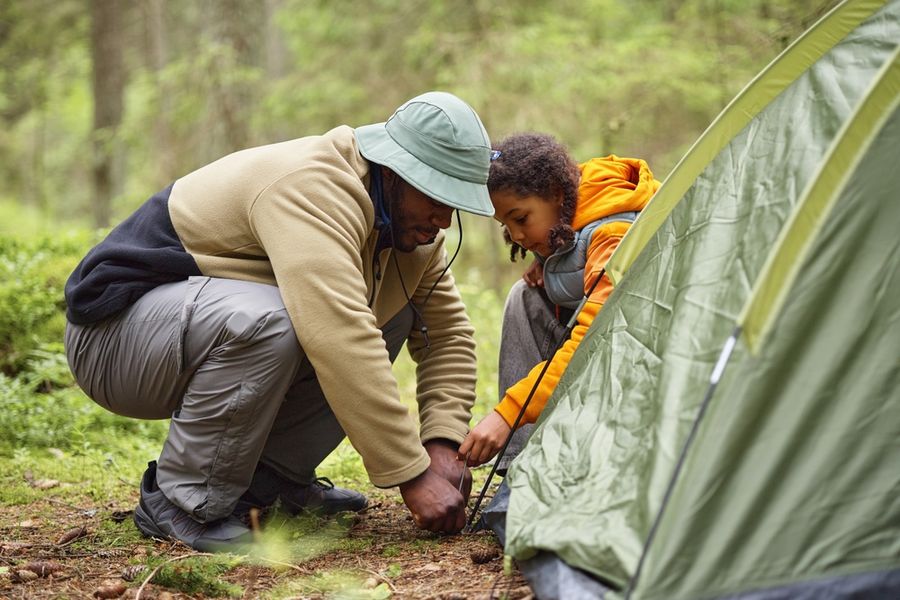
Camping for the first time is exciting… and slightly chaotic. There’s something magical about sleeping outside, cooking dinner over a fire, and waking up to fresh air instead of an alarm. There’s also the part where you realize you forgot a lighter, packed five outfits you won’t wear, and brought zero things that actually help you sleep. A first camping trip goes best when you keep it simple, focus on comfort and safety, and skip the gear that looks cool but rarely gets used.
Shelter Basics: The “Must-Have” Gear That Keeps You Dry and Sane
The most important camping gear is the stuff that keeps you protected from the weather and bugs. A tent is obvious, but the details matter. Look for a tent rated for the number of people you’re bringing—then size up. A “2-person” tent is usually comfortable for one person and a bag, not two adults plus gear. A rainfly is non-negotiable, even if the forecast looks perfect, because weather changes quickly.
You’ll also want a ground tarp or footprint under the tent to reduce moisture and protect the floor. Stakes and guylines should come with the tent, but bring extras just in case. If you’re car camping, you don’t need an ultralight tent. You need one that’s easy to set up and actually keeps you dry. Comfort starts with staying warm, covered, and not soaked at 2 a.m.
Sleep Setup: How to Avoid the “I Didn’t Sleep at All” Camping Experience
First-time campers often focus on the tent and forget that sleep is the real challenge. Sleeping bags have temperature ratings, and it’s smart to choose one rated colder than the weather you expect. Nights can drop fast, even in summer. A sleeping pad is just as important as the bag, because the ground pulls heat away from your body. Even a cheap foam pad is better than nothing, but an inflatable sleeping pad is far more comfortable.
Pillows are another place where beginners overcomplicate things. You don’t need a fancy camp pillow if you’re car camping—bring one from home. A blanket can also make sleep more comfortable and help regulate temperature. If you want camping to feel fun instead of miserable, prioritize sleep. It’s hard to enjoy nature when you’re running on two hours of stiff, chilly tossing and turning.
Camp Kitchen Essentials: What You’ll Use Every Single Time
Cooking at a campsite can be simple and satisfying, but only if you bring the basics. For most beginners, a small camp stove is easier than relying entirely on a campfire. Fires can be banned during dry seasons, and they take longer than expected. A basic setup includes a stove, fuel, a lighter or waterproof matches, and one pan or pot. Keep meals easy—think hot dogs, tacos, pasta, or breakfast burritos.
Don’t overpack kitchen gear. You don’t need five utensils, multiple cutting boards, or fancy cookware. A small cooler, ice, paper towels, a trash bag, and a simple mess kit go a long way. Bring biodegradable soap and a small sponge for cleanup. If you want one “luxury” item, make it good coffee. A camping trip feels instantly better when the morning starts warm and delicious.
Clothing and Personal Items: Pack for Comfort, Not Instagram
Camping clothing should be practical, not trendy. Layers matter more than outfits. Bring a warm hoodie or fleece, a rain jacket, and comfortable pants that you don’t mind getting dusty. Even if it’s hot during the day, evenings can get chilly. For shoes, you’ll want one pair for hiking or walking and one pair for camp, like sandals or slip-ons. Thick socks are also a quiet hero of the camping world.
Personal items are where people often forget the obvious. Bring sunscreen, bug spray, toilet paper (even at campgrounds), hand sanitizer, and baby wipes. Wipes are the closest thing camping has to a shower, especially for short trips. A headlamp is also better than a flashlight because it keeps your hands free. Camping feels more enjoyable when you’re clean-ish, warm, and not being eaten alive by mosquitoes.
Safety and Comfort: Small Items That Prevent Big Problems
Camping is relaxing, but it still requires a few safety basics. A first-aid kit is essential, even for short trips. Include bandages, antiseptic wipes, tweezers, blister care, and any personal medications. A multi-tool is useful for everything from cutting rope to opening food packaging. A fully charged portable power bank can also be a lifesaver, especially if you’re using your phone for maps or emergency contact.
Comfort items are worth packing, especially for first-timers. Camp chairs make a big difference, since sitting on the ground gets old fast. A small lantern helps light up the campsite without draining your headlamp battery. If you’re camping in bear country, bring a bear canister or use campground storage rules. Safety isn’t about being paranoid—it’s about preventing the kind of minor problems that turn into stressful, trip-ruining moments.
What You Don’t Need: Gear That Looks Useful but Usually Isn’t
A lot of camping gear is marketed like it’s essential, but beginners can skip most of it. You don’t need a giant cookware set, a camp shower, or a complicated survival knife. You also don’t need a pile of gadgets that require batteries or charging. Camping is better when it’s simple. Focus on shelter, sleep, food, and warmth, and the rest is optional.
Avoid overpacking clothing. Most people wear the same comfortable items repeatedly, especially on weekend trips. Skip fragile glass containers, fancy food that requires lots of prep, and anything that creates complicated cleanup. You also don’t need a huge speaker. Nature already has a soundtrack, and quiet campsites are part of the experience. The best camping gear is the stuff you actually use—not the stuff that just takes up trunk space.
The First Camping Trip Sweet Spot: Simple, Comfortable, and Totally Doable
Camping becomes enjoyable when you stop trying to do everything perfectly. A solid tent, a warm sleep setup, and a basic cooking plan cover the most important parts. Once shelter, sleep, and food are handled, the trip feels easier and far more fun. The goal isn’t to pack like a professional camper—it’s to show up prepared enough that small mistakes don’t ruin the experience.
A first trip is also the best way to learn what you personally need. Some people run cold and want extra blankets. Some people need better snacks. Some people realize they love camp cooking and want to upgrade later. Start with the basics, keep it simple, and give yourself permission to learn as you go. With the right checklist, camping feels less intimidating and a lot more like the relaxing adventure it’s supposed to be.