

Economy class gets a bad reputation for a reason: tight seats, dry air, loud cabins, and just enough legroom to make you question your life choices. Still, a long flight doesn’t have to feel like a punishment. Comfort in economy is mostly about preparation, not price. A few smart items, the right clothing, and some strategic timing can turn a cramped ride into something surprisingly manageable. The goal isn’t luxury—it’s arriving less stiff, less cranky, and more like a functioning human.
Dress Like a Person Who Plans to Sit for Hours
Comfort starts before you even board. Airplanes run cold, seats don’t breathe, and long flights turn minor annoyances into major ones. The easiest fix is wearing clothing that works with the cabin environment instead of against it. Soft layers are the best move: a breathable shirt, a hoodie or cardigan, and socks that don’t cut off circulation. If you’re tempted to wear stiff jeans, consider a stretchier option or leggings that won’t dig in for six hours straight.
Shoes also matter more than most people expect. Feet can swell during flights, especially on longer routes, so tight shoes become a problem fast. Slip-on sneakers or supportive flats are ideal, and compression socks can be a game-changer if you’re prone to swelling. The best travel outfit is one you can nap in, walk in, and survive delays in without feeling miserable.
Create a Personal “Comfort Bubble” With the Right Gear
Economy comfort is mostly about blocking out what you can’t control. Noise is a huge part of what makes flying exhausting, which is why noise-canceling headphones are worth their weight in gold. Even if you don’t want to splurge, a decent pair of over-ear headphones can reduce the constant hum of the plane and dull nearby conversations. Add a playlist, audiobook, or calming white noise and the cabin becomes much easier to tolerate.
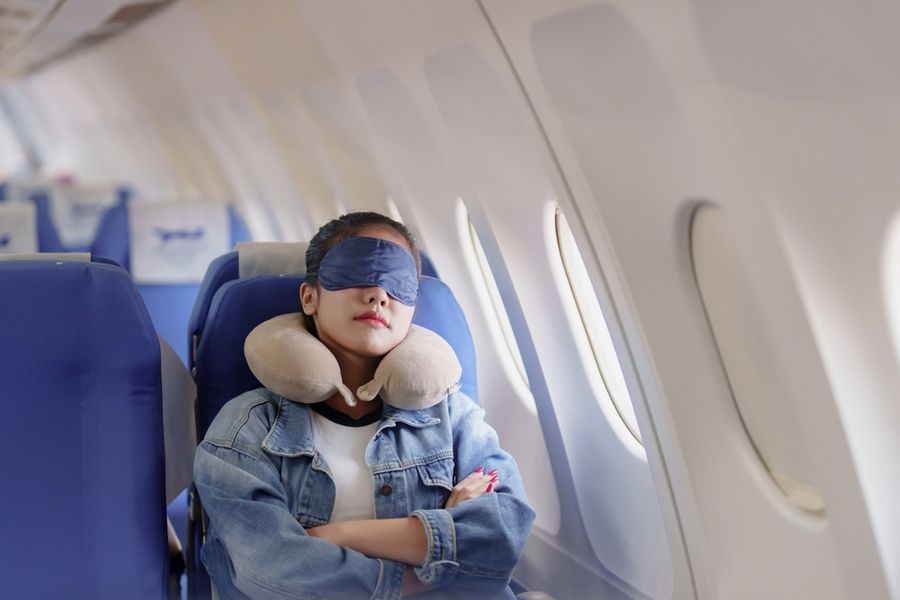
The other part of the comfort bubble is physical. A good neck pillow is underrated, but only if it actually supports your head instead of pushing it forward. Memory foam options or wrap-style pillows tend to work better than the flimsy inflatable kind. A light blanket or oversized scarf helps too, especially for cold flights. When you can control warmth, sound, and neck support, economy feels less chaotic.
Pick Your Seat Like Comfort Actually Matters (Because It Does)
Seat choice can make or break a flight, even in the same cabin. If you like sleeping, a window seat is usually the best option because you can lean against the wall and avoid being bumped by people walking past. If you prefer easy bathroom access or tend to get restless, the aisle seat is the smarter choice. Middle seats are survival mode, but even then, choosing one closer to the front can reduce noise and speed up exiting the plane.
If possible, avoid seats near bathrooms and galleys. Those areas have constant foot traffic, more noise, and bright lights that flick on during the flight. Some airlines also have seat maps that show “limited recline” seats, which can be a brutal surprise. Even without paying for an upgrade, picking the best standard seat available is one of the most effective comfort moves you can make.
Hydration and Snacks: The Most Overlooked Comfort Hack
The cabin environment is dry, and dehydration is one of the main reasons people feel awful after flying. Drinking water consistently can reduce headaches, fatigue, and that “wrung out” feeling when you land. A refillable water bottle is essential, and it’s smart to fill it right after security instead of relying on tiny plastic cups during beverage service. If you’re flying long-haul, consider adding electrolytes, especially if you’re prone to getting lightheaded.
Snacks also matter more than most travelers realize. Airport food is expensive, and in-flight options can be hit or miss. Packing protein-forward snacks like nuts, jerky, or a granola bar can prevent the hunger spiral that turns a flight into a cranky ordeal. If you want a real comfort win, bring something that feels like a treat, such as dark chocolate or gummy candy. A small morale boost goes a long way at 35,000 feet.
Reduce Stiffness With Small Movements That Add Up
Sitting still for hours is a recipe for soreness, especially in economy seats that don’t support posture well. Small movement throughout the flight can prevent the worst stiffness without turning your row into a yoga studio. Simple ankle circles, foot flexes, and gentle shoulder rolls can keep blood flowing and reduce that tight, cramped feeling. Standing up every hour or two is ideal, even if it’s just a quick walk to the bathroom and back.
The goal is to prevent the “locked up” body sensation that hits when you land. A lumbar support pillow or even a rolled-up hoodie behind your lower back can help keep your spine in a more comfortable position. If you’re prone to swelling, compression socks and regular movement are especially helpful. The less stiff you get in the air, the better your travel day feels on the ground.
Make Sleep Easier, Even If You’re Not a Natural Plane Sleeper
Sleeping in economy can feel impossible, but a few adjustments make it far more realistic. The first is timing: if you can, align your sleep with the destination’s night hours instead of trying to nap randomly. The second is reducing stimulation. Eye masks block cabin lighting, and earplugs can help even if you’re wearing headphones. Combining both creates a calmer environment that encourages sleep, even in a busy cabin.
A neck pillow is only part of the equation. Keeping your head from bobbing is important, but so is supporting your body. A small pillow under your knees can reduce lower back strain, and loosening tight clothing helps circulation. If you can’t sleep, rest still counts. Closing your eyes, relaxing your shoulders, and doing slow breathing can reduce stress and help your body recover, even without full sleep.
Arrive Feeling Human: The Economy Comfort Strategy That Works
Economy flights will never feel like first class, but comfort is still possible with the right approach. Clothing, hydration, snacks, and smart gear can change the experience dramatically, even on long routes. A few well-chosen items can reduce noise, improve posture, and help you rest enough to land without feeling wrecked. The best part is that most of the biggest comfort upgrades cost very little.
The real secret is consistency. Travelers who build a simple routine—water, layers, movement, and a sleep setup—tend to feel better every time they fly. Once you know what works for your body, flying becomes less about enduring discomfort and more about managing it. The cabin may be cramped, but the experience doesn’t have to be miserable.