

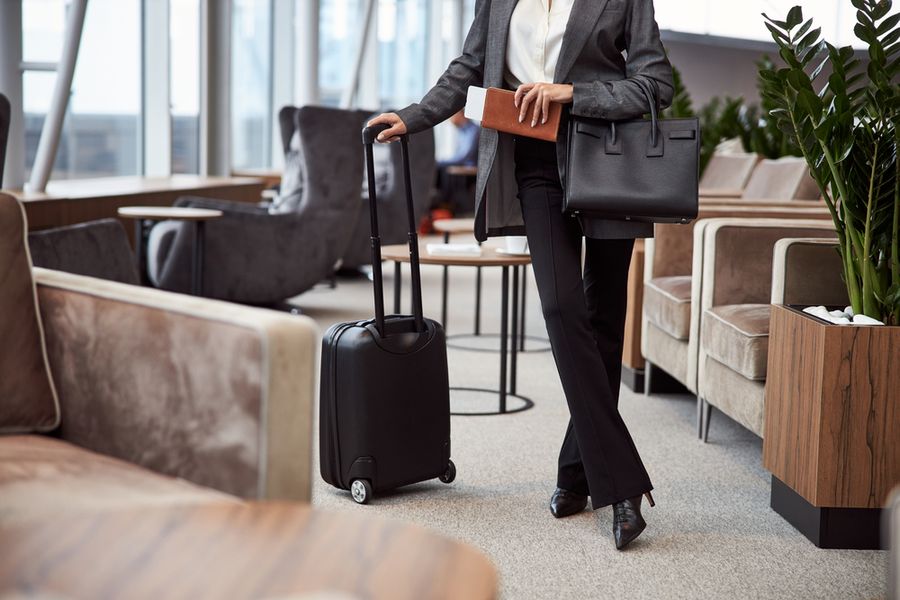
A personal item bag is the real MVP of air travel. It’s the one thing that stays with you no matter what happens: delays, turbulence, lost luggage, or the dreaded “your carry-on needs to be gate-checked.” When packed well, a personal item turns a stressful travel day into something manageable. The goal isn’t to cram in everything you own. It’s to pack the right essentials so you can stay comfortable, entertained, and prepared even if your main bag disappears for a while.
The Personal Item Mindset: Pack Like Your Carry-On Might Vanish
The smartest way to pack a personal item is to assume your carry-on won’t stay with you. Gate-checking is common on full flights, and it can happen even if you board early. When your carry-on gets pulled, your personal item becomes your survival kit for the entire flight and the first few hours after landing. That means anything you’d be miserable without should live in the personal item, not in the overhead bag.
This includes medication, chargers, IDs, and comfort items. It also includes anything you’d need if your checked or gate-checked bag is delayed overnight. A good personal item makes you more flexible and less stressed. It’s not just a “purse” or “backpack”—it’s your backup plan. Packing it intentionally is one of the easiest ways to travel smarter without spending extra money.
Travel Documents, Money, and Essentials You Can’t Replace Easily
Some items should never leave your side, even for a minute. Your wallet, passport, boarding pass, and any important travel documents should always be in your personal item. If you’re traveling internationally, add a pen (customs forms still exist sometimes), plus a printed copy of your itinerary and hotel information. Phones die, Wi-Fi fails, and having a backup copy can save you a lot of hassle.
It’s also smart to pack a spare credit card or some emergency cash in a secure pocket. For longer travel days, keep a small pouch with essentials like hand sanitizer, tissues, and lip balm. If you wear glasses, pack your case too. The goal is simple: anything expensive, important, or hard to replace belongs in the personal item bag. If you can’t afford to lose it, don’t pack it overhead.
Comfort Kit: Small Items That Make Flights Feel Way Better
Airplanes are uncomfortable by design, but a few small comfort items can completely change the experience. A light sweater or scarf is one of the best things to pack, since cabins can get cold fast. Add a compact neck pillow if you’re on a longer flight, especially one that supports your head without pushing it forward. Eye masks and earplugs are also worth it, even if you have headphones.
Speaking of headphones, pack your best pair in your personal item. Noise-canceling headphones are ideal, but any comfortable option helps reduce cabin fatigue. If you’re prone to motion sickness, pack gum or motion sickness medication. A mini pack of wipes is also a lifesaver for sticky tray tables or that general “airport grime” feeling. A small comfort kit makes economy travel feel more controlled and less exhausting.
Tech and Power: Keep Everything Charged and Accessible
Nothing makes a travel day feel worse than a dead phone and no way to fix it. Your personal item should always include a charging cable, a portable power bank, and any adapters you might need. Even if the plane has USB ports, they’re not always working. A power bank gives you control, especially during delays or long airport waits.
If you’re bringing a laptop or tablet, keep it in a padded sleeve for easy access through security. Download entertainment ahead of time so you’re not relying on in-flight Wi-Fi. It’s also smart to bring a small set of wired earbuds, since some airplane entertainment systems still use headphone jacks. Tech is part of modern travel comfort, and keeping it organized in your personal item prevents frantic digging through bags when boarding is already chaotic.
Snacks, Hydration, and “I’m Stuck Here” Survival Supplies
Airport food is expensive, and airplane snacks are unpredictable. Packing your own snacks is one of the easiest ways to stay comfortable and avoid hanger. Aim for a mix of protein and quick energy: nuts, jerky, protein bars, crackers, dried fruit, or a peanut butter packet. If you want a morale boost, pack something fun like chocolate or gummy candy. A small treat can make a long flight feel less bleak.
Hydration matters too. Bring an empty water bottle through security and fill it before boarding. Airplane cabins are dry, and dehydration can lead to headaches and fatigue. If you like electrolytes, pack a few single-serve packets. Also consider mints, gum, or ginger chews. When you have water and snacks, delays feel less stressful and long travel days feel more manageable.
The “Overnight Delay” Backup Plan: Clothes and Toiletries That Matter
This is where a personal item really earns its keep. If your carry-on gets gate-checked and ends up delayed, having a few essentials can save your entire trip. Pack a travel toothbrush, toothpaste, deodorant wipes, and any skincare basics you need to feel human. A small zip pouch keeps it organized and easy to grab. For longer flights, adding lotion can help too, since cabin air is extremely drying.
A spare set of underwear and socks is also a smart move, along with a basic shirt. It doesn’t take up much space and can make an unexpected overnight delay far less miserable. If you wear contacts, pack your glasses and solution. Keep medications in your personal item, always. A personal item isn’t just for the flight—it’s insurance for when travel goes sideways.
The Personal Item Packing Rule That Makes Travel Easier Every Time
A personal item bag works best when it’s packed with intention. The goal is to cover comfort, essentials, and the “what if” moments that happen during air travel. When your carry-on gets gate-checked, the personal item becomes your only guaranteed bag. Having your chargers, medication, snacks, and a small comfort kit on hand prevents a minor inconvenience from turning into a full meltdown.
The best personal item is also organized. Use pouches, keep important items in the same pockets every time, and avoid packing it so tightly that you can’t find anything quickly. Once you build a personal item routine, flying becomes less stressful and far more predictable. You’ll board feeling prepared, not frantic—and you’ll land with everything you truly need already within reach.