

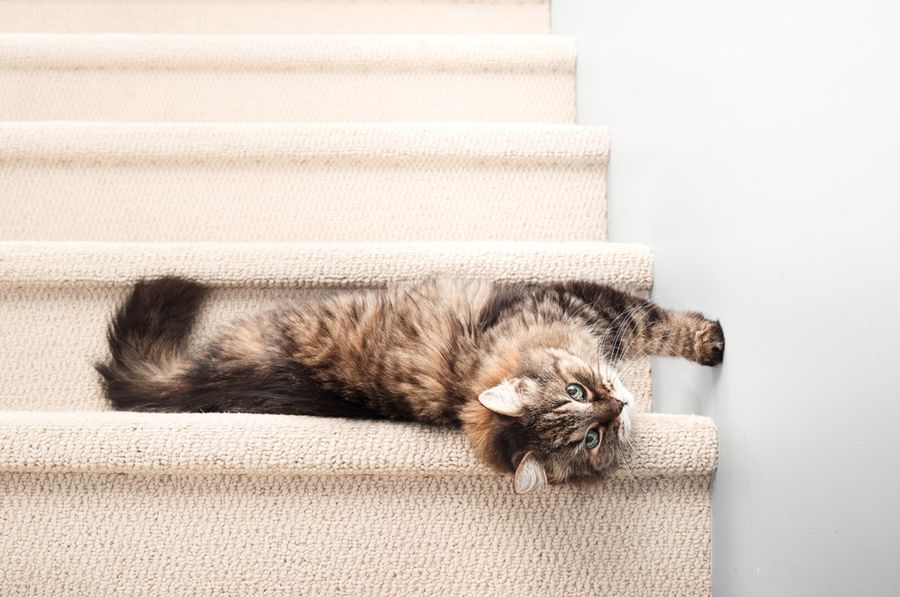
Cats have a reputation for being low-maintenance, but boredom can turn even the sweetest kitty into a tiny agent of chaos. One day your cat is quietly napping in a sunbeam, and the next they’re yowling at midnight, shredding the couch, or knocking your water glass off the table with purpose. Boredom isn’t just “extra energy”—it’s unmet instinct. When cats don’t get enough mental and physical stimulation, they create their own entertainment, and it’s rarely convenient for you.
Attention-Seeking Chaos: Meowing, Pawing, and Following You Everywhere
A bored cat often becomes a professional interrupter. Excessive meowing, persistent paw taps, walking across your keyboard, or climbing into your lap the moment you sit down can all be attention-seeking behaviors. It’s not always neediness—it’s your cat looking for interaction and stimulation. Some cats get louder, especially at night, because the house is finally quiet and their energy peaks. If your cat seems to demand attention nonstop, boredom is a strong possibility.
To fix it, build predictable interaction into the day. Short play sessions are more effective than random bursts of attention. Aim for two to three ten-minute playtimes using a wand toy, feather teaser, or something that mimics prey. End play with a small snack to satisfy the “hunt, catch, eat” cycle. Consistent engagement often reduces the clingy behavior quickly because your cat finally has an outlet.
Destructive Behavior: Scratching Furniture and Knocking Things Over
When cats don’t have enough stimulation, they often start redecorating. Scratching furniture, shredding curtains, chewing household items, or intentionally knocking objects off shelves can be signs of boredom. Cats explore with their paws and mouths, and swatting objects is a natural behavior. The problem is that bored cats do it more frequently—and they may learn it gets a big reaction from you, which reinforces the habit.
Fixing it starts with giving your cat better options. Add scratching posts in multiple areas, especially near the furniture they target. Offer both vertical and horizontal scratchers since preferences vary. For knocking things over, increase enrichment and remove easy “targets” for a while. Puzzle feeders, interactive toys, and daily play reduce the need for mischief. If your cat has an approved outlet for instincts, your house tends to stay in one piece.
Overgrooming and Repetitive Habits That Signal Stress
Boredom doesn’t always look like chaos. Sometimes it looks like a cat licking nonstop. Excessive grooming can be a self-soothing behavior when a cat feels understimulated or stressed. You might notice thinning fur, bald patches, or irritated skin. Other repetitive behaviors can include pacing, staring at walls, or obsessively focusing on one area of the house. When a cat’s environment lacks variety, they may default to repetitive habits because it gives them something predictable to do.
The fix is adding gentle enrichment and structure. Increase play and provide mental activities like treat puzzles or a food scavenger hunt. Create cozy hiding spots and safe perches so your cat can observe the home from a distance. Overgrooming can also have medical causes like allergies or skin irritation, so it’s worth checking with a vet if fur loss is noticeable. If boredom is the root, enrichment helps reduce stress behaviors over time.
“Not Interested in Toys” Can Still Mean Boredom
It sounds backward, but boredom can make a cat seem uninterested in play. If your cat ignores toys, it may be because the toys aren’t engaging, the routine is too predictable, or the cat doesn’t know how to play with them. Some cats get bored with the same mouse toy on the floor every day. Others need movement, variety, and interaction to activate their hunting instincts. A bored cat may also sleep more simply because there’s nothing else to do.
The fix is rotating and upgrading play. Put half the toys away and swap them weekly so everything feels “new” again. Try wand toys that move like prey, small balls that roll unpredictably, or toys infused with catnip or silvervine if your cat responds to it. Some cats love crinkle sounds, others prefer feathers, and some prefer toys they can chase on a string. The right toy often changes everything.
Sleeping All Day or Eating Out of Boredom
Cats sleep a lot, so it can be tricky to spot boredom-related sleep. The clue is when your cat seems to sleep as a way to pass the time and becomes restless at night. Another sign can be changes in appetite—some cats overeat because food becomes the most exciting activity available, while others lose interest in meals when they’re mentally flat. Boredom can also show up as constant begging, even right after eating.
Fixing it often means turning meals into enrichment. Use puzzle feeders, treat-dispensing toys, or scatter kibble in different spots so your cat has to “hunt” for food. If your cat eats wet food, try using a lick mat or spreading it on a shallow plate to slow things down. Add scheduled play before meals to mimic a natural rhythm. A cat that works for food and plays daily is usually calmer and less snack-obsessed.
Simple Ways to Enrich Your Cat’s Environment Every Day
Cats need an environment that supports natural instincts: climbing, scratching, stalking, and exploring. A bored cat often lacks vertical space, new experiences, or interactive time with humans. Adding a cat tree, window perch, or wall shelves can give your cat a “territory” to patrol and a safe place to relax. Window time matters too—watching birds, people, and movement outside can be incredibly stimulating.
Beyond furniture, small changes help. Rotate toys, introduce new scents safely, set up tunnels or cardboard boxes, and create a predictable daily routine. Training is another powerful option. Many cats enjoy learning simple cues like “sit,” “touch,” or “high five” with treats as motivation. Short sessions build confidence and mental engagement. The goal is variety and choice—when a cat has interesting options, boredom fades fast.
Turning Boredom Into a Happier, Calmer Cat
A bored cat isn’t being difficult on purpose. They’re looking for stimulation in a world that feels too repetitive. The signs can be loud and obvious, like destruction and constant meowing, or subtle, like overgrooming and endless sleeping. Once you recognize boredom as an unmet instinct, the solution becomes clearer: more enrichment, more play, and a more interesting environment.
The best fixes are simple and consistent. A few minutes of interactive play each day, puzzle feeding, toy rotation, and better climbing and scratching options can completely change your cat’s mood. When a cat gets regular outlets, the annoying behaviors usually fade, and the affectionate side shines through again. A stimulated cat is calmer, healthier, and far more fun to live with.